

Select Your Region

We noticed you visit this page from United States. Please select your preferred region to continue

skip to content

Country Selector

Based on your location

Europe

North America

Latin America

Asia-Pacific

Infectious Diseases

Specialized Diagnostics for Infectious Diseases.

Infectious diseases can be caused by a variety of viruses, bacteria, parasites and fungi that are transmitted directly or indirectly from person to person, from animals via insects or by contaminated food or water. Despite effective vaccines and therapeutic measures, infectious diseases continue to affect the health of many people worldwide. As a result of globalization and increased travel local epidemics can become global pandemics, having significant social and economic impacts on the affected population.

Published date: 11/29/2024 | Modified date: 6/9/2026

Insights on Infectious Diseases

A reliable diagnosis of infectious diseases is the basis for efficient treatment and therapy. Since many pathogens cause similar, usually non-specific symptoms, a diagnosis based on clinical symptoms alone is often not possible. For this reason, the suspected diagnosis is usually supported by a variety of laboratory examinations.

Infectious diseases remain a major global health challenge, affecting millions of people each year and contributing significantly to morbidity, and mortality.

Key figures

  • 13 million

    yearly global deaths from infectious diseases

  • 87 million

    yearly worldwide cases of Varicella Zoster Virus infection

  • 300k

    yearly global deaths from Bordetella pertussis infection

How do we diagnose Infectious Diseases?

  • Item 1

    Serology is widely used to detect specific IgG, IgM and IgA antibodies against a range of different pathogens in the serum of patients to support the diagnosis of infectious diseases. Due to the often non-specific clinical symptoms caused by a variety of different viruses or bacteria, numerous analyses are usually required to provide a reliable differential diagnosis. Therefore, the unrestricted combinability of immunoassays, that are easy to perform and fast in providing results, is of particular importance in routine diagnostic services.

    Item 1

Knowledge & Science

No content available.

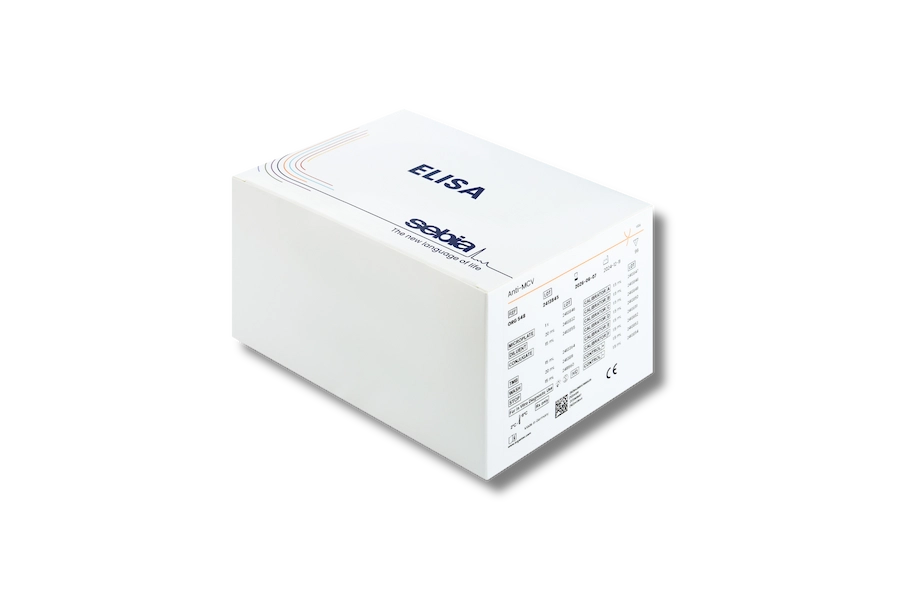
Tests for diagnosing Infectious Diseases

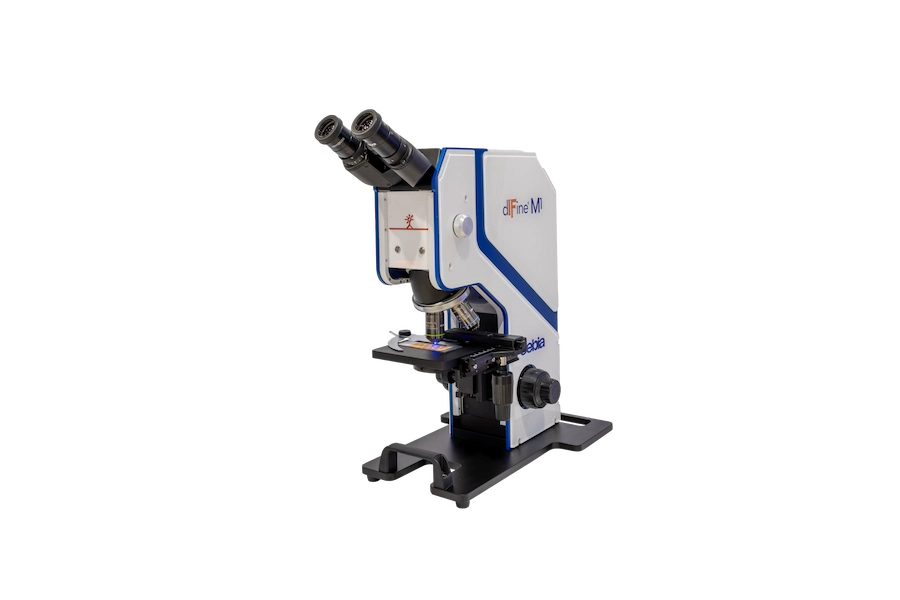
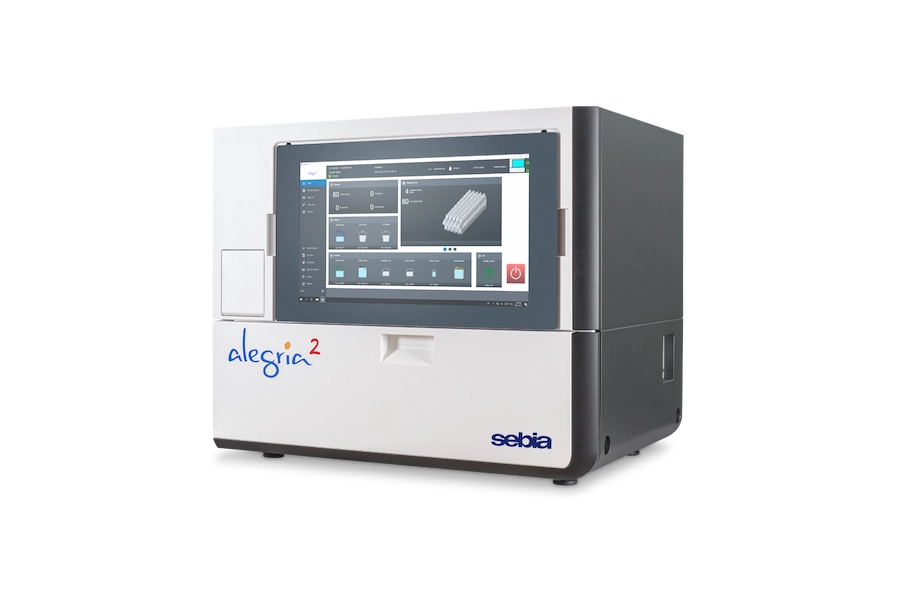
Instruments for diagnosing Infectious Diseases

References

a) Yang C, Guo Z, Deng X, Wei Y, Zhang Q, Wang J. Global, regional, and national burden of varicella-zoster infections in adults aged 70 years and older from 1997 to 2021: Findings from the Global Burden of Disease Study. J Infect Public Health. 2025 Oct;18(10):102868.

b) Muloiwa R, Kagina BM, Engel ME, Hussey GD. The burden of pertussis in low- and middle-income countries since the inception of the Expanded Programme on Immunization (EPI) in 1974: a systematic review protocol. Syst Rev. 2015 May 1;4:62.

This section contains information intended for wide distribution and may therefore contain product details or information that is not available or valid in your country.

Please contact your local Sebia representative. Information intended for healthcare professionals.
Carefully read the instructions in the reagent package inserts and instrument manuals.