The Diagnostic Role of Capillary Electrophoresis
Learn how capillary electrophoresis supports the identification of hemoglobinopathy carriers and patients through the separation and quantification of hemoglobin fractions.


Capillary Electrophoresis plays an important role in the diagnosis of hemoglobinopathy carriers and patients. The general flow is the determination of the red blood cell indices to establish a microcytic hypochromic anemia and Hb-typing by separation and quantitation of the different hemoglobin fractions. DNA analysis is the final confirming step to complete the diagnosis.
In the era of Next Generation Sequencing, many genetic labs have employed Whole Exome Sequencing and Inherited Disease panels as tools to analyze DNA and detect disease causing mutation. However, functional assays are considered to be important to establish the function and effects of variants of uncertain significance. Functional assays in hemoglobinopathies are the hematology and the Hb-typing, either by Capillary Electrophoresis or HPLC, to be completed by DNA analysis as will be demonstrated during the talk.
Learn how capillary electrophoresis supports the identification of hemoglobinopathy carriers and patients through the separation and quantification of hemoglobin fractions.
Discover how red blood cell indices, Hb-typing, and DNA analysis work together to diagnose microcytic hypochromic anemia and confirm hemoglobin disorders.
Understand the importance of functional assays, including capillary electrophoresis and HPLC, in assessing variants of uncertain significance and complementing Next Generation Sequencing results.
A hemoglobinopathy diagnosis is never based on a single result. Capillary electrophoresis becomes truly powerful when integrated with the complete patient profile
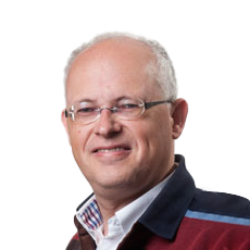
Dr Cornelis L. Harteveld is clinical molecular and biochemical geneticist and is presently employed as Associate Professor at the department of Clinical Genetics/LDGA at the Leiden University Medical Centre (LUMC) working on hemoglobinopathies. The principle areas of interest are phenotype-genotype correlation and the technical improvement of diagnostics of thalassemia and haemoglobin variants. He is responsible for the diagnosis of carriers and patients and for prenatal diagnosis for Hemoglobinopathies in the Dutch Reference Laboratory for Hemoglobinopathies within the department of Clinical Genetics at the Leiden University Medical Centre in Leiden, The Netherlands. The institute is acknowledged as an Expert Centre for Rare Disorders, more specifically in Hemoglobinopathies, and member of the European Reference Network for Rare Blood Disorders EuroBloodNet.
Educational Webinar with Janetta Bryksin, PhD, DABCC, FADLM
Educational Webinar with Raquel Yahyaoui
This section contains information intended for wide distribution and may therefore contain product details or information that is not available or valid in your country. Please contact your local Sebia representative. Information intended for healthcare professionals. Carefully read the instructions in the reagent package inserts and instrument manuals.