

Select Your Region

We noticed you visit this page from United States. Please select your preferred region to continue

skip to content

Country Selector

Based on your location

Europe

North America

Latin America

Asia-Pacific

Chronic Alcohol Abuse

Reducing the Burden of Excessive Chronic Alcohol Consumption.

Excessive and long‑term alcohol consumption has serious consequences for both individuals and society. Beyond its well‑documented health risks, it generates a substantial economic burden. In 2016, alcohol use ranked as the seventh leading risk factor for death and disability worldwide, and it was the primary risk factor among people aged 15 to 49 years.

While global economic estimates are not yet available, the financial impact has been quantified in some countries. In the United States, for example, the cost of excessive chronic alcohol consumption reached $60 billion in 2010, driven by productivity losses, healthcare expenses, and other social impacts such as traffic-related incidents.

Published date: 3/8/2021 | Modified date: 6/4/2026

What is chronic alcohol abuse ?

Situations in which Alcohol Consumption must be avoided

Alcohol consumption should be strictly avoided in the following circumstances:

  • During pregnancy
  • During childhood and adolescence
  • While driving or operating machinery
  • When performing activities requiring attention and vigilance
  • When taking medications that interact with alcohol
  • In the presence of certain chronic or acute medical conditions (such as epilepsy, pancreatitis, viral hepatitis, etc.)
  • By individuals with a history of alcohol dependence

Reducing harmful alcohol use is a public health priority. Meaningful progress requires sustained and coordinated efforts across industries, healthcare organizations, and individuals, each playing a part in minimizing the impact of excessive alcohol consumption.

Definition of Safe or Responsible Drinking

For women:

  • No more than 2–3 units of alcohol per day on average (maximum 14 units per week)
  • At least two alcohol‑free days per week

For men:

  • No more than 3–4 units of alcohol per day on average (maximum 21 units per week)
  • At least two alcohol‑free days per week

Occasional consumption:

  • Should not exceed 4 units of alcohol on a single occasion.
Alcohol abuse is still one of the leading causes of death worldwide. Early diagnosis of alcohol abuse enables preventive intervention on the effects and risks associated with its consumption.

Key figures

  • 200

    diseases and injuries conditions are caused by alcohol consumption.

  • 2.6 million

    deaths were caused by alcohol consumption in 2019.

  • 400 million

    persons worldwide, aged 15 years and older, lived with alcohol use disorders.

How do we diagnose Chronic Alcohol Abuse?

  • Cost‑Effective Policies and the Role of CDT in Detecting Chronic Alcohol Use

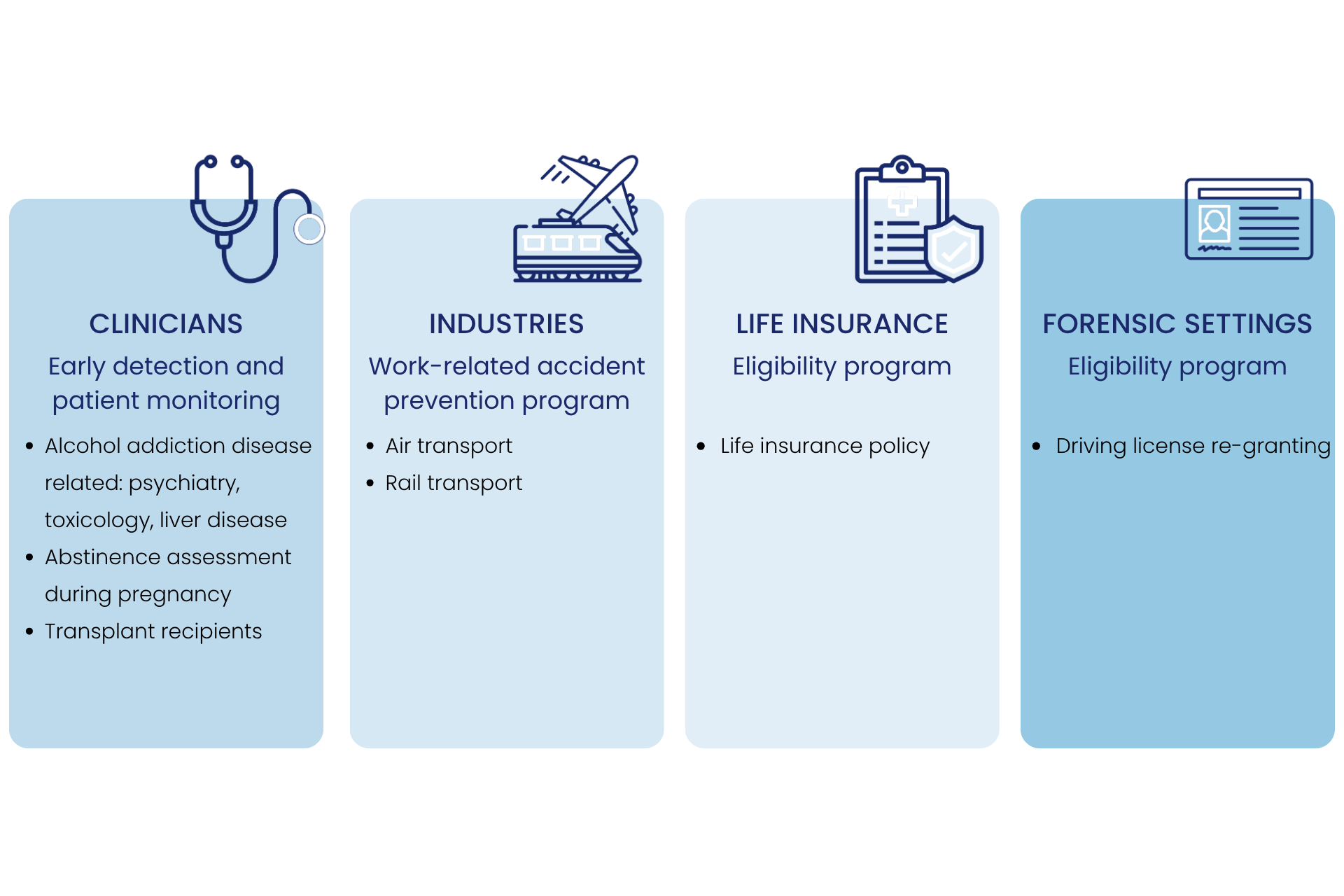
    Implementing cost‑effective policies for the detection, diagnosis, and monitoring of alcohol misuse in clinical, industrial, and forensic settings can significantly improve clinical outcomes, reduce drink‑driving incidents, diminish workplace accidents, and ultimately lower the economic burden associated with alcohol‑related harm. Carbohydrate‑Deficient Transferrin (CDT) is recognized for its reliability as blood biomarker for chronic excessive alcohol consumption. Daily alcohol intake exceeding approximately 60 g per day over a period of about two weeks leads to an increase in CDT levels, reflecting alcohol‑induced disruption of normal liver cell function. In most individuals, elevated CDT values return to normal after several weeks of abstinence. CDT is highly specific for heavy drinking, and a 30% reduction in CDT indicates a meaningful decrease in alcohol intake. In many respects, CDT behaves similarly to HbA1c and other biochemical markers that vary according to lifestyle or therapeutic interventions. A rising CDT level serves as an objective indicator of relapse into heavy alcohol use, making it a sensitive and specific monitoring tool for healthcare professionals. CDT is the recommended marker for chronic alcohol use assessment by the IFCC.
    Cost‑Effective Policies and the Role of CDT in Detecting Chronic Alcohol Use

Knowledge & Science

No content available.

Tests for diagnosing Chronic Alcohol Abuse

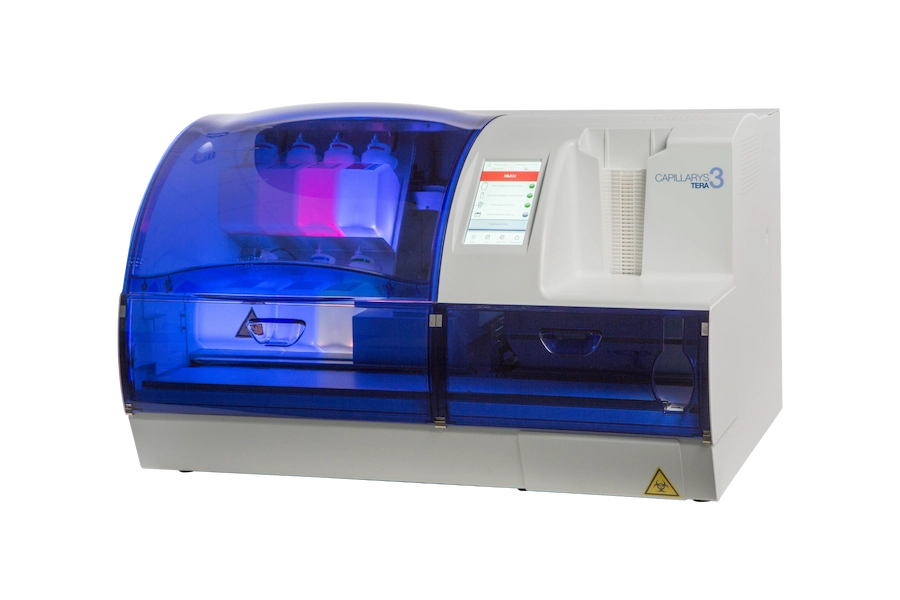
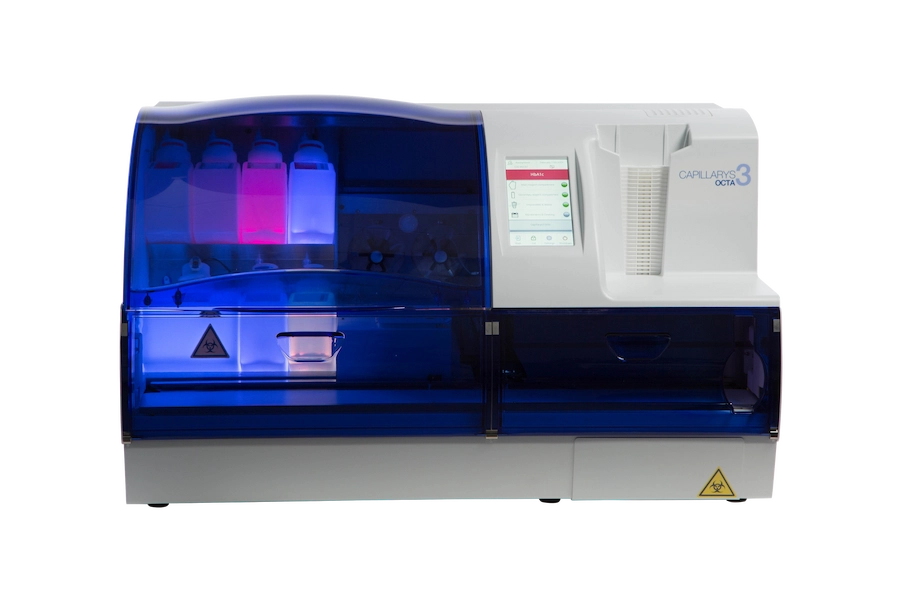
Instruments for diagnosing Chronic Alcohol Abuse

This section contains information intended for wide distribution and may therefore contain product details or information that is not available or valid in your country.

Please contact your local Sebia representative. Information intended for healthcare professionals.
Carefully read the instructions in the reagent package inserts and instrument manuals.