

Select Your Region

We noticed you visit this page from United States. Please select your preferred region to continue

skip to content

Country Selector

Based on your location

Europe

North America

Latin America

Asia-Pacific

Connective Tissue Diseases

Streamline your workflow with a comprehensive solution.

Connective tissue diseases (CTDs) are a group of disorders affecting the body’s structural tissues, including skin, muscles, joints, and blood vessels. Common features include joint pain, muscle weakness, skin rashes, and fatigue. Early recognition is crucial to prevent long-term damage and improve quality of life. Diagnosis typically relies on clinical evaluation, laboratory testing, and imaging studies. Treatment strategies aim to control inflammation, manage symptoms, and protect organ function.

Published date: 11/29/2024 | Modified date: 6/9/2026

Insights on CTDs

Connective tissue diseases (CTDs) are Systemic Autoimmune Rheumatic Diseases (SARDs), a group of disorders characterized by inflammation and autoimmune reactions that affect multiple organ systems. These diseases involve the immune system attacking the body’s tissues, leading to widespread inflammation and damage. The most common SARDs are:

  • Systemic Lupus Erythematosus (SLE), a chronic autoimmune disease that can affect the skin, joints, kidneys, brain, and other organs, with symptoms like fatigue, joint pain and swelling, skin rashes (especially a butterfly-shaped rash on the face), photosensitivity, fever, and organ involvement such as nephritis and pericarditis.
  • Systemic Sclerosis (Scleroderma), an autoimmune disease characterized by fibrosis (thickening and hardening) of the skin and internal organs.
  • Sjögren’s Syndrome, that primarily affects the glands that produce saliva and tears.
  • Polymyositis and Dermatomyositis, inflammatory myopathies that cause muscle inflammation and weakness. Dermatomyositis is associated with a distinctive skin rash.
  • Mixed Connective Tissue Disease (MCTD), a disease featuring overlapping symptoms of SLE, Scleroderma, and Polymyositis, with specific autoantibodies (anti-RNP-70).
  • Autoantibodies against cellular components, anti-nuclear antibodies (ANA), are important serological markers for CTD. Target antigens include nucleic acids, cell nuclear proteins and ribonuclear proteins as well as components of the cytoplasm.
Connective tissue diseases are chronic immune disorders that damage tissues and organs, profoundly affecting quality of life.

Key figures

  • 3-5%

    prevalence of autoimmune disorders in the general population

  • 10:1

    is the women-men ratio for specific autoimmune disorders

  • 5 million

    people affected by SLE

How do we diagnose CTDs?

  • Item 1

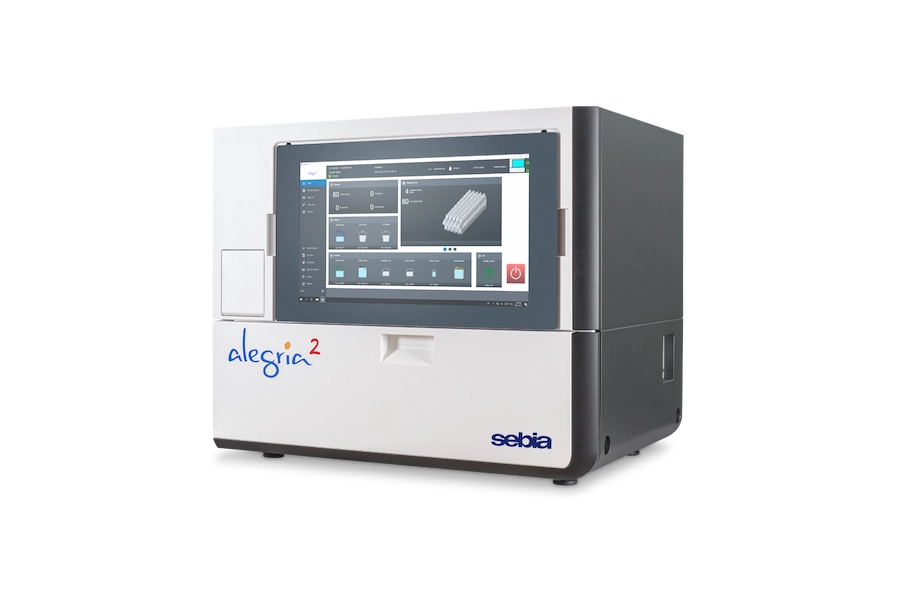
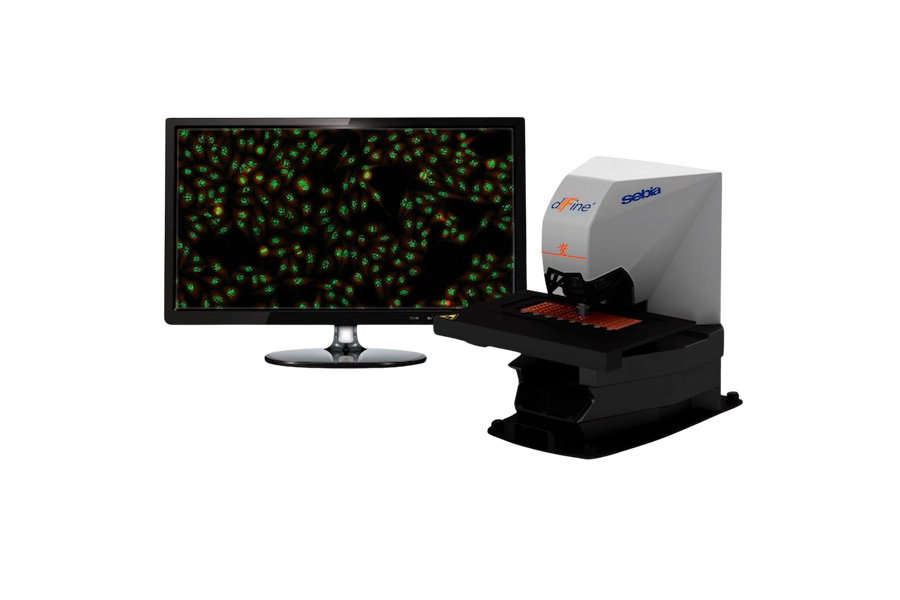
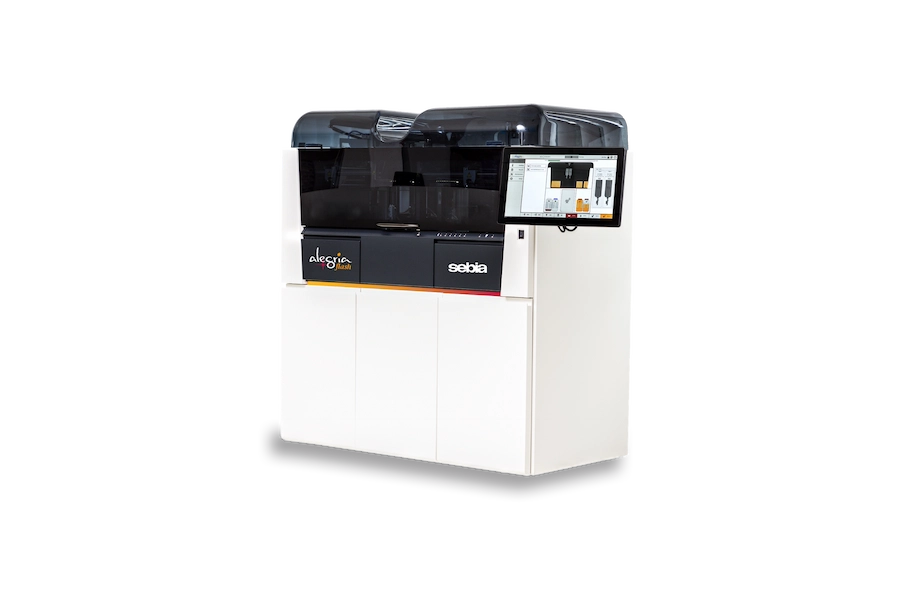
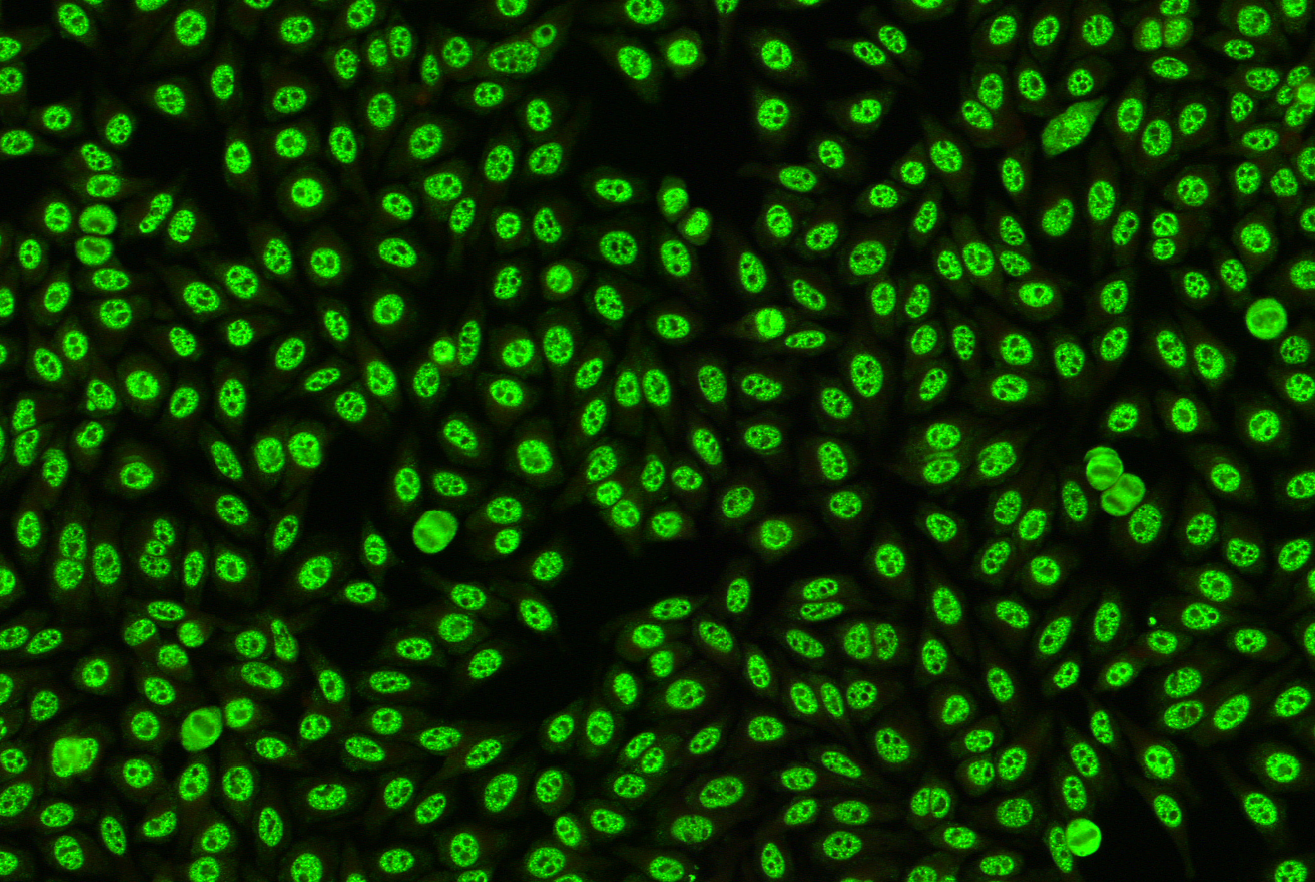
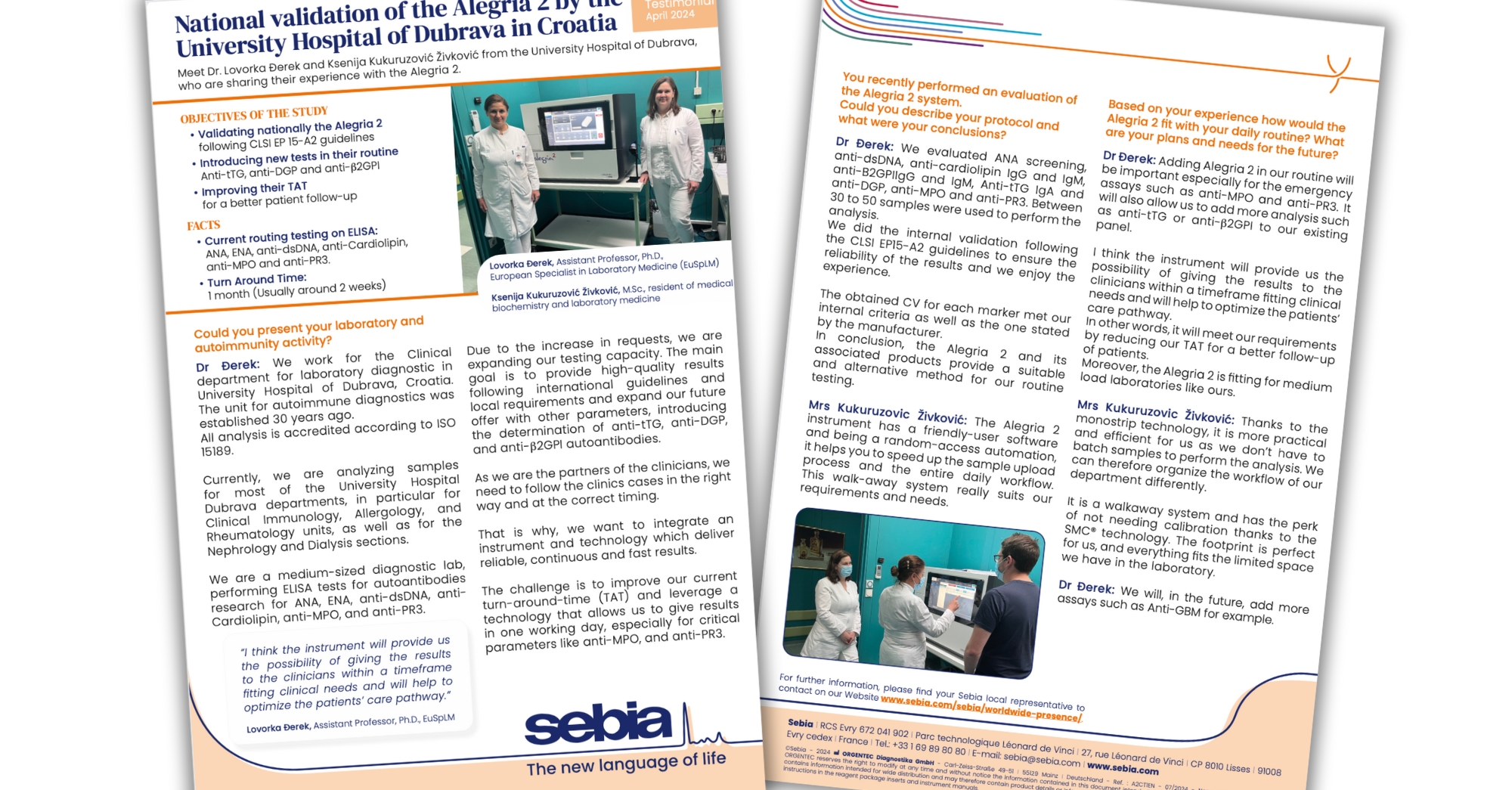
    The diagnosis of CTD uses Immunofluorescence Assays (IFA) and specific confirmatory tests. The gold standard of ANA determination (serological markers of CTD) is IFA, using human epithelial tumor cells (HEp-2), a stabilized cell line of human larynx carcinoma, known for its high sensitivity and specificity. In the context of CTD diagnosis is critical to identify the antibodies’ specificity. The Alegria monotest strip is a reliable solution offering a wide range of confirmatory tests, helping to save time and reduce reagent waste.
    Item 1

Knowledge & Science

No content available.

Tests for diagnosing Connective Tissue Diseases

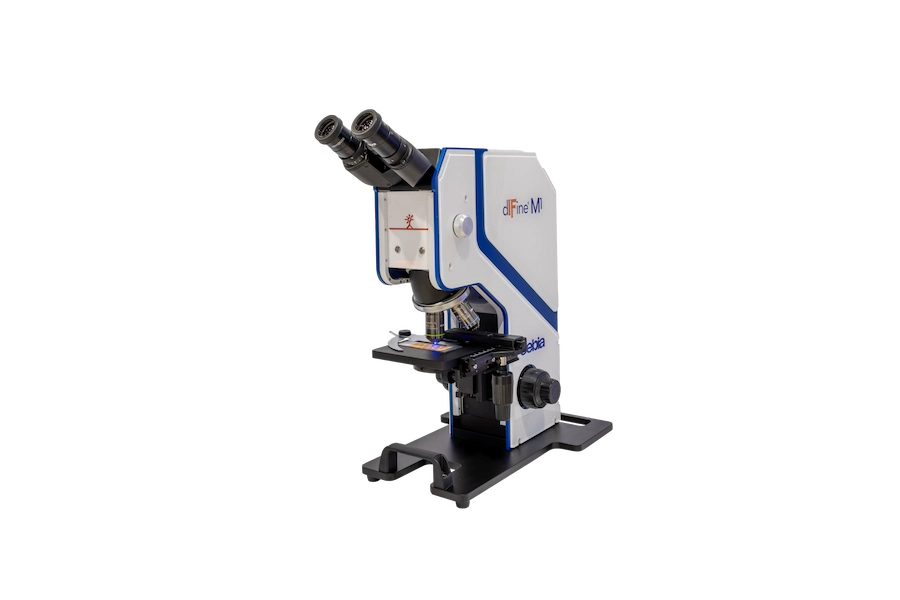
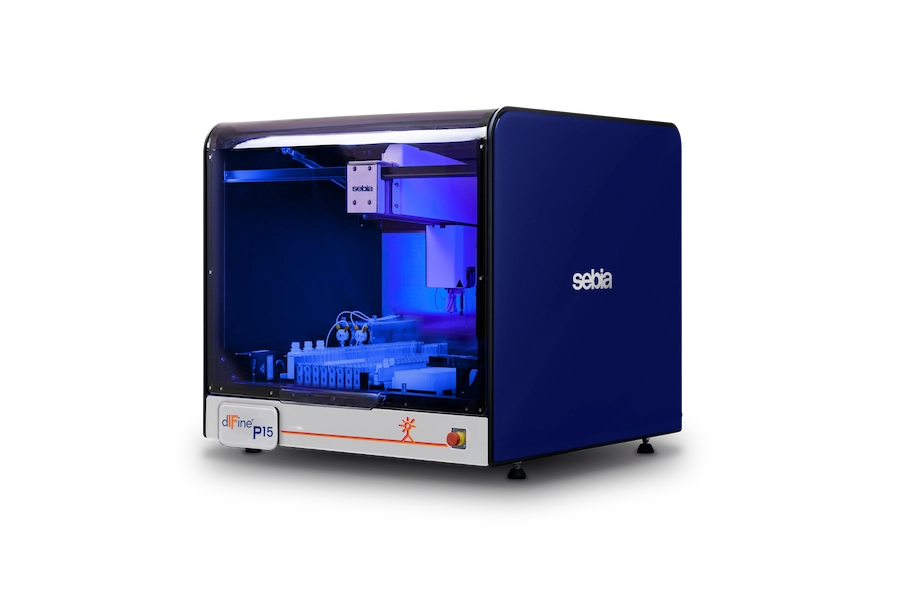
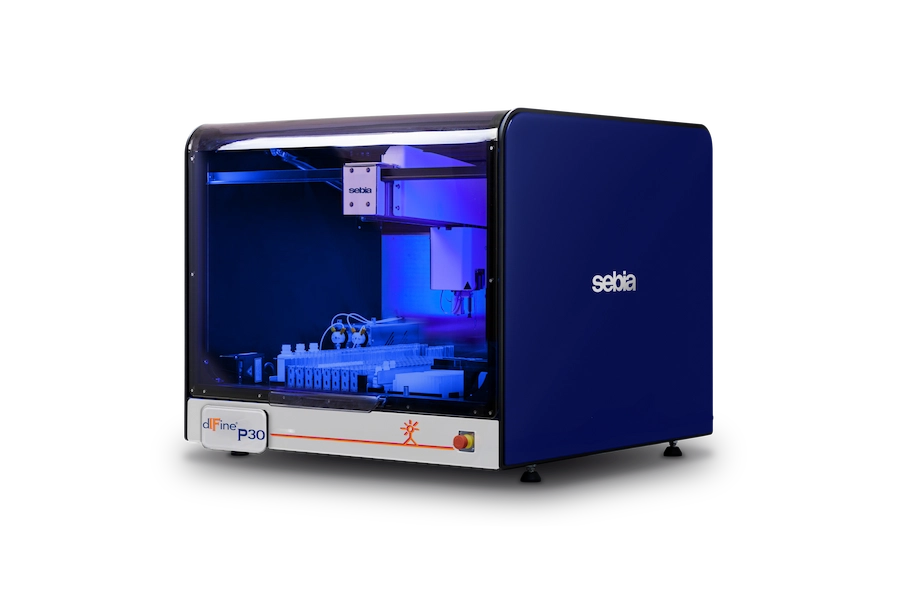
Instruments for diagnosing Connective Tissue Diseases

References

a) Damoiseaux J. The International Consensus on ANA Patterns (ICAP): from conception to implementation. Clin Chem Lab Med. 2023 Nov 17;62(5):789-792.

b) Bossuyt X, De Langhe E, Borghi MO, Meroni PL. Understanding and interpreting antinuclear antibody tests in systemic rheumatic diseases. Nat Rev Rheumatol. 2020 Dec;16(12):715-726.

c) Bonroy C, Vercammen M, Fierz W, Andrade LEC, Van Hoovels L, Infantino M, et al.; European Federation of Laboratory Medicine (EFLM) Working Group “Autoimmunity Testing,” the European Autoimmune Standardization Initiative (EASI) and International Consensus on Antinuclear Antibody Patterns (ICAP). Detection of antinuclear antibodies: recommendations from EFLM, EASI and ICAP. Clin Chem Lab Med. 2023; 61(7): 1167-1198.

This section contains information intended for wide distribution and may therefore contain product details or information that is not available or valid in your country.

Please contact your local Sebia representative. Information intended for healthcare professionals.
Carefully read the instructions in the reagent package inserts and instrument manuals.