

Select Your Region

We noticed you visit this page from United States. Please select your preferred region to continue

skip to content

Country Selector

Based on your location

Europe

North America

Latin America

Asia-Pacific

Multiple Myeloma

Worldwide key player in diagnosis and monitoring of Multiple Myeloma patients.

Multiple Myeloma, also known as Kahler’s disease, is the second most common blood cancer worldwide, with nearly 188,000 new cases diagnosed each year.

Multiple Myeloma is typically diagnosed in older individuals between 65 and 74 years old, but people younger than 50 can also exhibit symptoms.

Over the past two decades, the incidence of multiple myeloma has steadily increased, mainly due to the aging of the global population and improvements in diagnostic practices.To date, the risk factors that trigger the transformation and uncontrolled multiplication of plasma cells are not well known.

Published date: 3/8/2021 | Modified date: 6/9/2026

What is Multiple Myeloma?

Multiple Myeloma is a cancer characterized by the proliferation of a clone of plasma cells in the bone marrow and induces overproduction of immunoglobulins (antibody proteins) that crowd out the normal blood-forming cells and prevent them from functioning effectively.

The symptoms of Multiple Myeloma include bone lesions, anaemia, kidney damage and susceptibility to infections. Patients commonly experience bone pain and fractures, also experiencing weight loss, tiredness and repeated infections.

The tumour plasma cell clone proliferation induces high levels concentration of Monoclonal protein (also called M-Protein) which is the best tumour markers of the disease.

Early detection and accurate monitoring are key to improving outcomes and guiding effective management of Multiple Myeloma.

Key figures

  • 2nd

    most common Blood Cancer

  • 188k

    new cases each year

  • 40%

    of multiple myeloma patients experience symptoms for more than six months before the disease is diagnosed

How do we diagnose Multiple Myeloma?

  • Key diagnostic methods

    Serum and urine protein electrophoresis and their immunological characterization are the gold standard for Multiple Myeloma diagnosis, for monitoring the disease and to assess the patient’s response to treatment. Protein electrophoresis is recommended by IMWG (International Myeloma Working Group) for screening serum and urine samples for abnormalities protein detection. Once the Monoclonal protein is identified (or suspected), it must be characterized by an immunofixation or immunotyping test to identify the M-Protein type (IgG, IgA, IgM, IgD, IgE) and light chain (kappa or Lambda) involved.

    Key diagnostic methods

Knowledge & Science

No content available.

Tests for diagnosing Multiple Myeloma

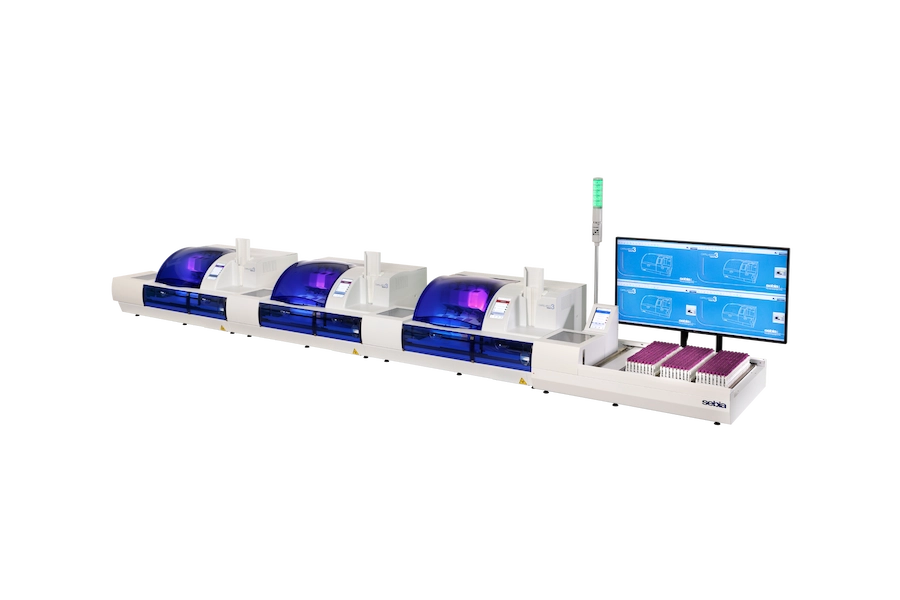
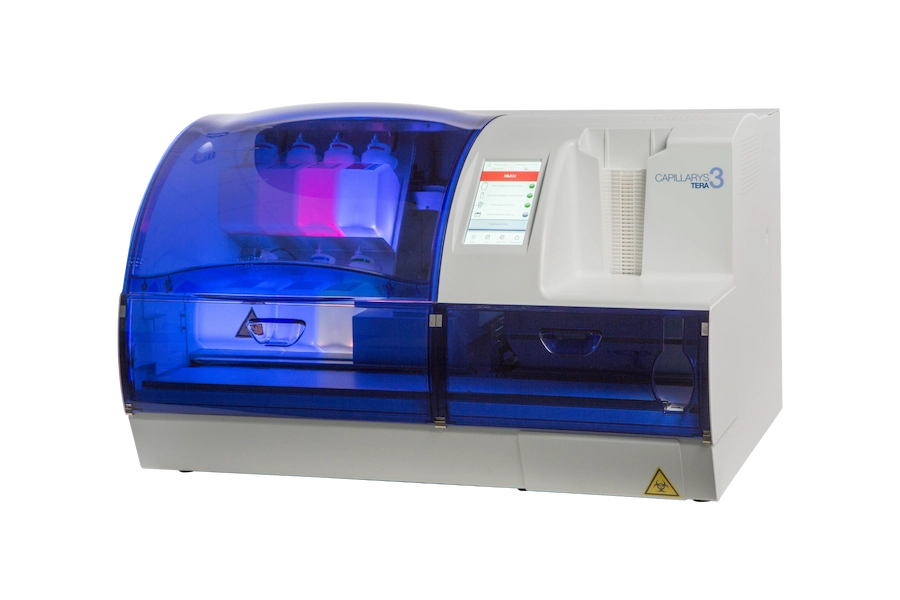
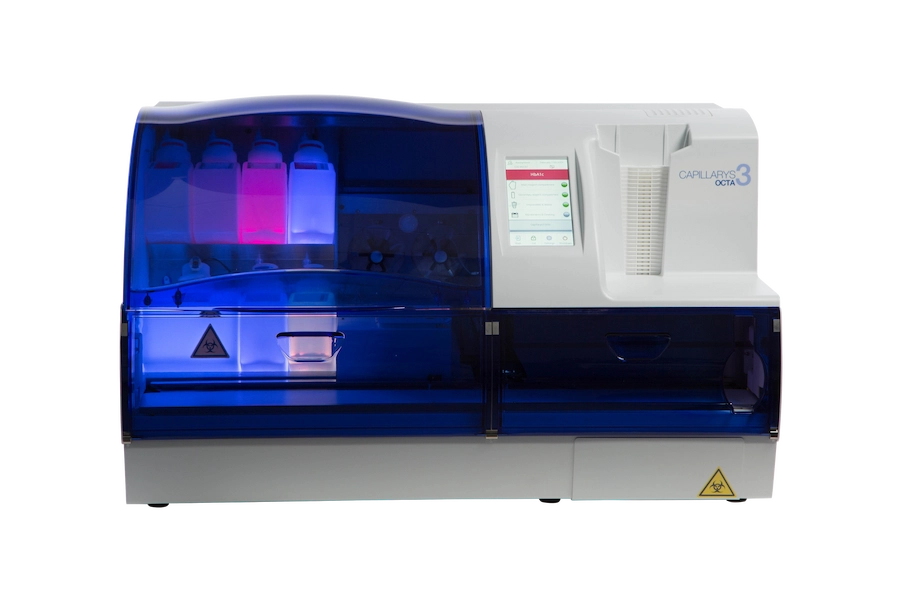
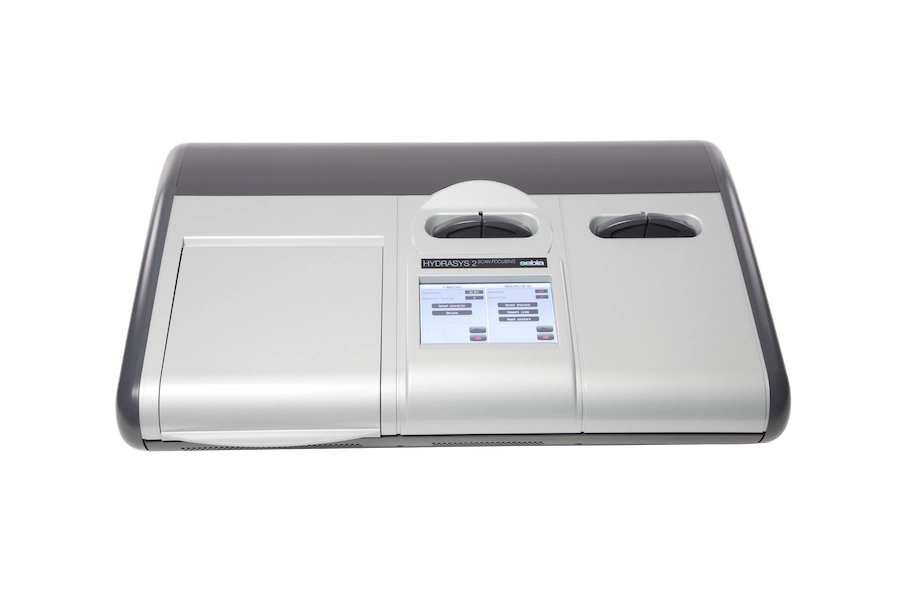
Instruments for diagnosing Multiple Myeloma

This section contains information intended for wide distribution and may therefore contain product details or information that is not available or valid in your country.

Please contact your local Sebia representative. Information intended for healthcare professionals.
Carefully read the instructions in the reagent package inserts and instrument manuals.