

Select Your Region

We noticed you visit this page from United States. Please select your preferred region to continue

skip to content

Country Selector

Based on your location

Europe

North America

Latin America

Asia-Pacific

Bone Metabolism

Accurate and reliable markers for bone metabolism evaluation.

Bone metabolism is a dynamic biological process that maintains the structure and strength of the skeleton through continuous remodeling. It involves a balance between bone formation by osteoblasts and bone resorption by osteoclasts. This tightly regulated process is controlled by hormonal, nutritional, and cellular factors that ensure proper bone density and mineral homeostasis. Disruption of this balance can lead to metabolic bone diseases such as osteoporosis.

Published date: 11/29/2024 | Modified date: 6/9/2026

Insights on Bone Metabolism

Hormones such as parathyroid hormone (PTH), vitamin D, estrogen, and calcitonin play crucial roles in regulating bone turnover. Vitamin D is a fat-soluble steroid hormone precursor that is mainly produced in the skin by exposure to sunlight. It’s biologically inert and must undergo two successive hydroxylations in the liver and kidney to become the biologically active 1,25‑dihydroxyvitamin D. The monitoring of vitamin D is helpful in diseases where calcium and phosphorus homeostasis or bone metabolism are altered. In children, severe deficiency leads to bone-malformation, known as rickets. Vitamin D deficiency causes muscle weakness; in elderly, the risk of falling has been attributed to the effect of vitamin D on muscle function. The two most important forms of vitamin D are vitamin D3 (cholecalciferol) and vitamin D2 (ergocalciferol). In contrast to vitamin D3, the human body cannot produce vitamin D2, which is taken up with fortified food or given by supplements.

N-terminal telopeptide (NTx) measurement is a laboratory test used to assess bone resorption, reflecting the rate at which bone collagen is being degraded. NTx fragments are released into the bloodstream or urine during the breakdown of type I collagen, the main structural protein of bone. It’s therefore used as a biomarker of bone turnover.

Bone metabolism is a tightly regulated process essential for skeletal integrity and mineral balance, and its disruption is a major driver of metabolic bone diseases.

Key figures

  • 1 billion

    people globally are estimated to have vitamin D deficiency

  • 10%

    of the adult skeleton is remodeled each year

  • 40%

    higher fracture risk linked to vitamin D deficiency

How do we diagnose the Bone Metabolism?

  • Item 1

    Biochemical markers are widely used to evaluate and monitor bone metabolism. 25-hydroxyvitamin D (25-OH vitamin D) is the main metabolite for assessing overall vitamin D status, as it is the major storage form of vitamin D in the human body. Monitoring vitamin D levels can help prevent the progression of bone-related conditions and support overall bone health.The measurement of cross-linked N-telopeptides of type I collagen (NTx) in serum or urine aids in predicting skeletal response (bone mineral density) to antiresorptive therapy and in monitoring changes in bone resorption following the initiation of treatment

    Item 1

Knowledge & Science

No content available.

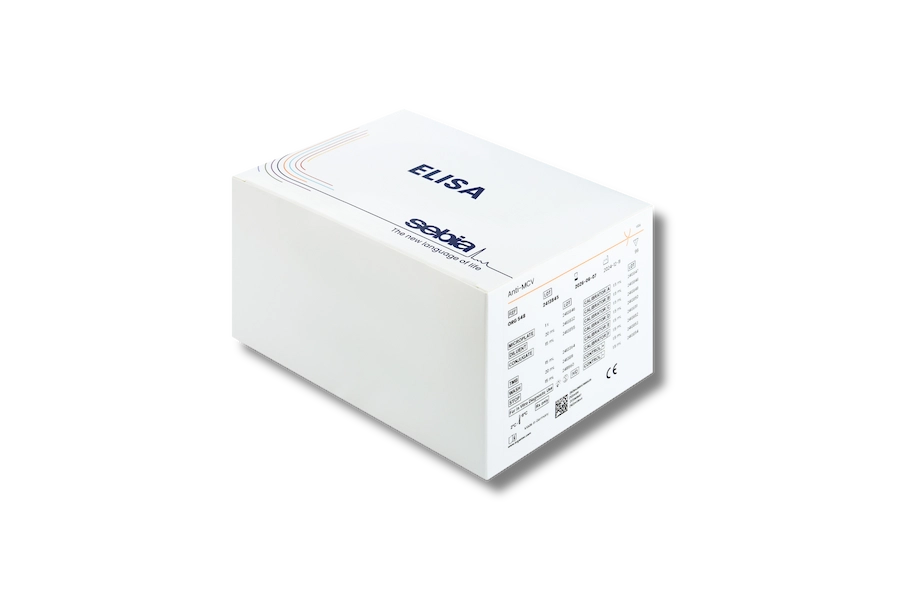
Tests for diagnosing Bone Metabolism

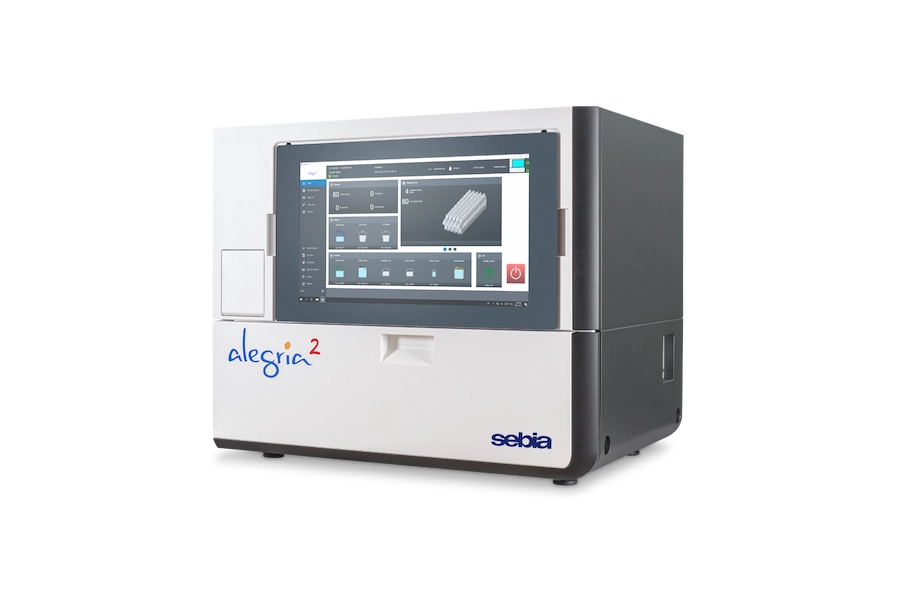
Instruments for diagnosing Bone Metabolism

References

a) Amrein K, Scherkl M, Hoffmann M, Neuwersch-Sommeregger S, Köstenberger M, Tmava Berisha A, Martucci G, Pilz S, Malle O. Vitamin D deficiency 2.0: an update on the current status worldwide. Eur J Clin Nutr. 2020 Nov;74(11):1498-1513.

b) Holick MF. Vitamin D deficiency. N Engl J Med. 2007 Jul 19;357(3):266-81.

c) Hart NH, Newton RU, Tan J, Rantalainen T, Chivers P, Siafarikas A, Nimphius S. Biological basis of bone strength: anatomy, physiology and measurement. J Musculoskelet Neuronal Interact. 2020 Sep 1;20(3):347-371.

This section contains information intended for wide distribution and may therefore contain product details or information that is not available or valid in your country.

Please contact your local Sebia representative. Information intended for healthcare professionals.
Carefully read the instructions in the reagent package inserts and instrument manuals.