

Select Your Region

We noticed you visit this page from United States. Please select your preferred region to continue

skip to content

Country Selector

Based on your location

Europe

North America

Latin America

Asia-Pacific

Vasculitis

Vasculitis and Beyond: A Broad Portfolio.

Vasculitis refer to a group of autoimmune diseases characterized by inflammation of small- to medium-sized blood vessels, often associated with anti-neutrophil cytoplasmic antibodies (ANCAs). This inflammation can lead to vessel damage, reduced blood flow, and tissue injury in multiple organs. ANCA-associated vasculitides primarily affect organs such as the kidneys, lungs, skin, and nervous system. Beyond vasculitis, the presence of ANCA has also been observed in other autoimmune and inflammatory conditions. These include disorders of the gastrointestinal tract, such as chronic inflammatory bowel diseases. Because of this broad clinical spectrum, ANCA testing plays an important role in differential diagnosis.

Published date: 11/29/2024 | Modified date: 6/9/2026

Insights on Vasculitis

Vasculitis are autoimmune diseases characterized by inflammation of small to medium-sized blood vessels, primarily caused by the presence of anti-neutrophil cytoplasmic antibodies (ANCAs). These antibodies target neutrophils, a type of white blood cell, leading to vascular inflammation and subsequent damage to various organs and tissues.

The main types of ANCA-associated vasculitis are:

  • Granulomatosis with Polyangiitis: previously known as Wegener’s granulomatosis, this condition typically affects the respiratory tract (sinuses, nose, trachea, and lungs) and kidneys. It is characterized by granulomatous inflammation, which are clusters of immune cells.
  • Microscopic Polyangiitis: this type primarily affects the kidneys and lungs but can involve other organs, too.
  • Eosinophilic Granulomatosis with Polyangiitis: also known as Churg-Strauss syndrome, this condition is marked by asthma, high levels of eosinophils, and granulomatous inflammation, often affecting the lungs, skin, heart, and peripheral nerves.
  • Anti-GBM (anti-glomerular basement membrane) glomerulonephritis is a rare autoimmune disease characterized by the presence of autoantibodies directed against the glomerular basement membrane (GBM), a critical component of the kidney’s filtering units (glomeruli). This condition can lead to rapidly progressive glomerulonephritis, which is a severe form of kidney inflammation.
  • Other autoimmune disorders like Primary Sclerosing Cholangitis, Ulcerative colitis and Felty Syndrome are characterized by the presence of ANCAs antibodies with different target antigens, e.g. Lactoferrin and Cathepsin G, from the most common targets PR3 and MPO.
ANCA-associated vasculitis are one of the leading causes of pauci-immune glomerulonephritis, leading to rapidly progressive renal failure.

Key figures

  • 200 - 400

    cases per million people is the prevalence of ANCA-associated vasculitis

  • 60%

    of anti-GBM syndrome patients have concurrent lung hemorrhage

  • 1982

    first description of ANCA-associated autoimmunity

How do we diagnose Autoimmune Vasculitis?

  • Item 1

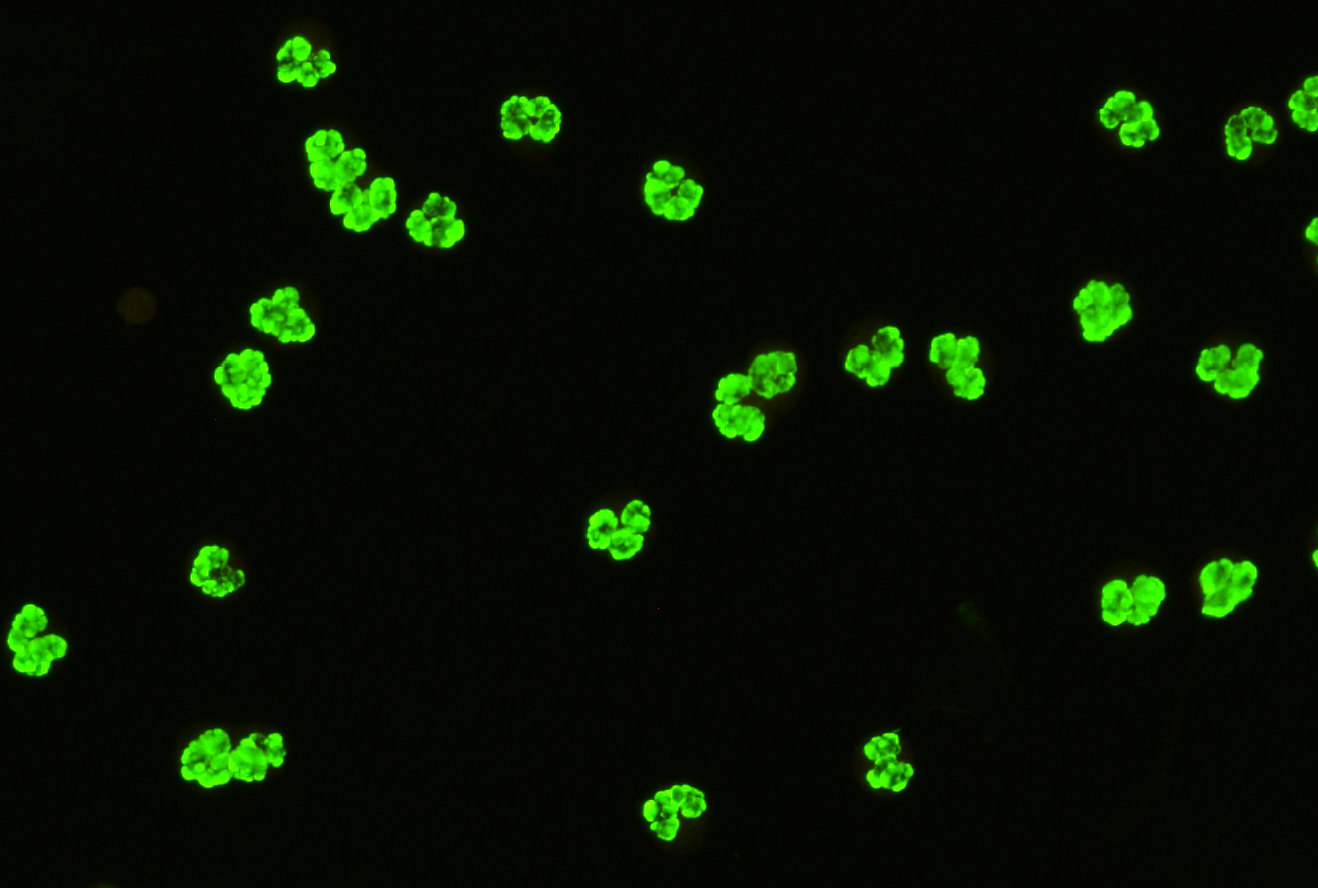
    The diagnosis of ANCA-associated vasculitis leverages confirmatory test like PR3 (Proteinase 3), MPO (Myeloperoxidase), and GBM (Glomerular Basement Membrane) for a reliable identification of autoantibodies. Various tests such as Lactoferrin, Lysozyme and BPI (bactericidal permeability enhancer protein) are available to aid the diagnosis of other ANCA-related autoimmune diseases that mainly affect the gastrointestinal tract.
    Item 1

Knowledge & Science

No content available.

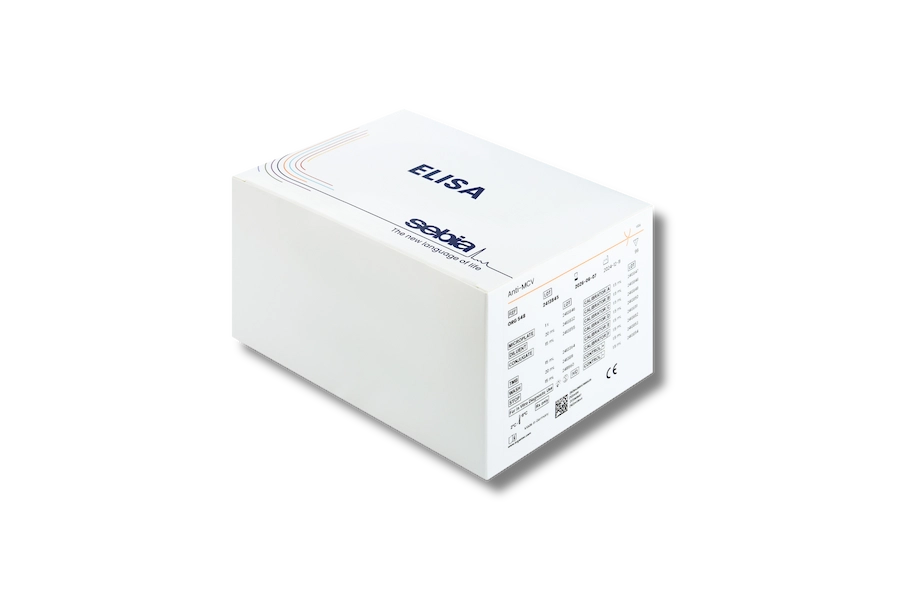
Tests for diagnosing Vasculitis

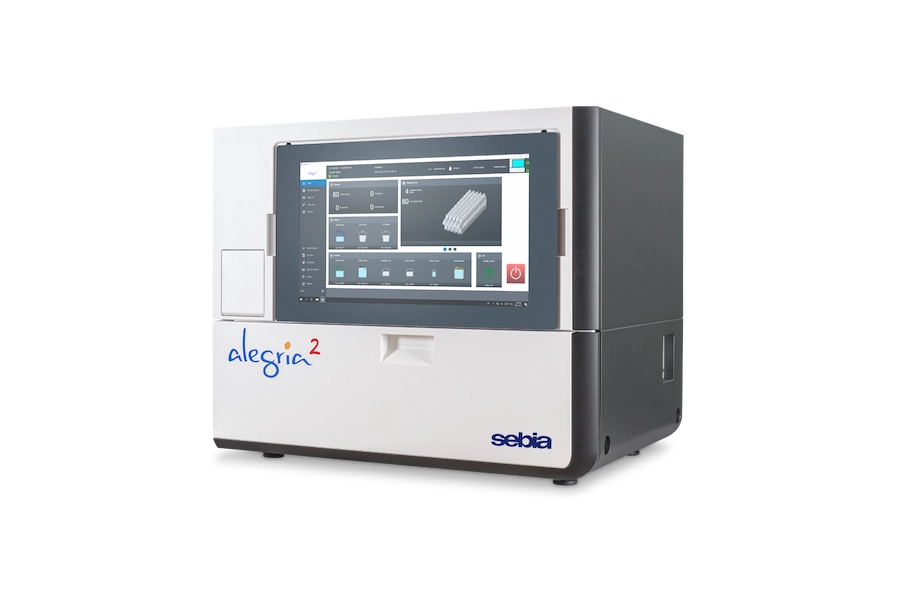
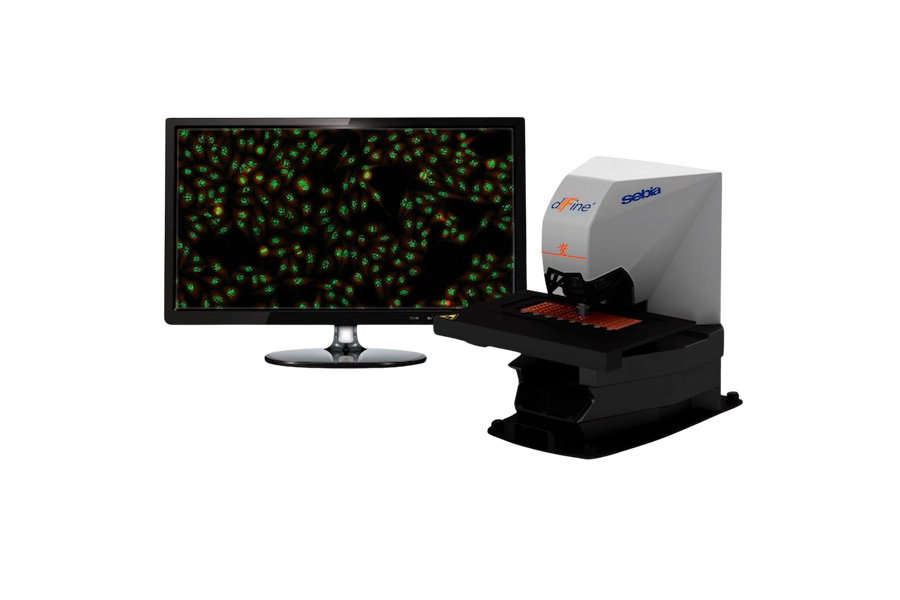
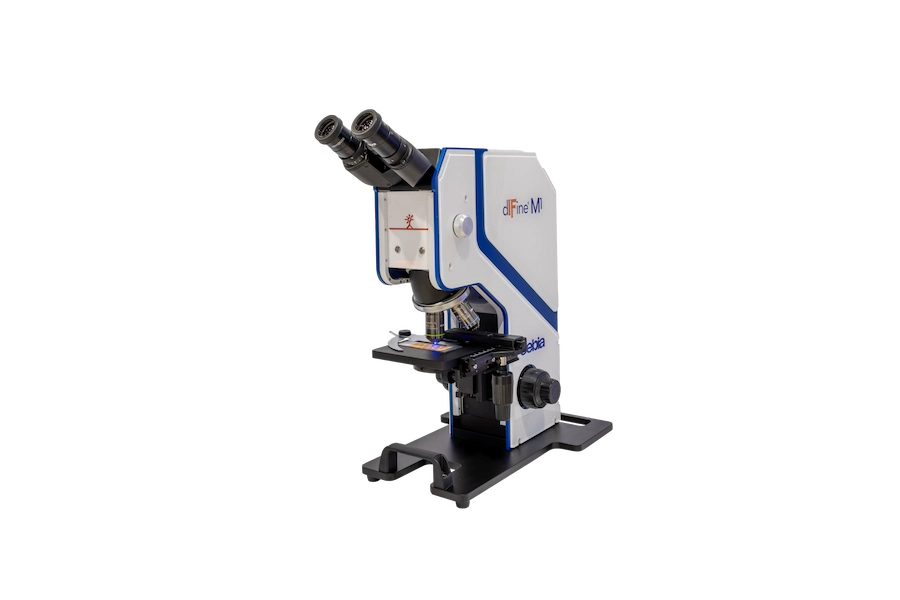
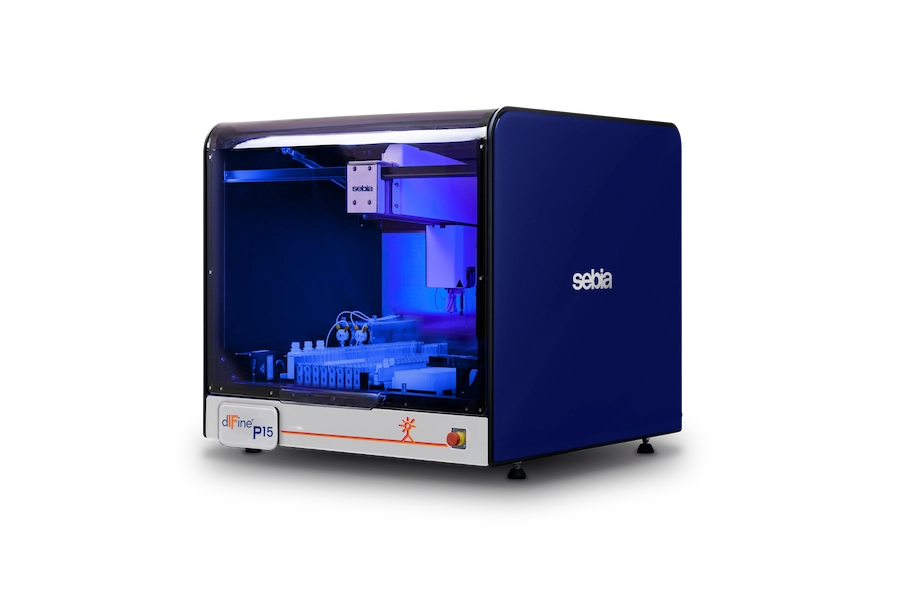
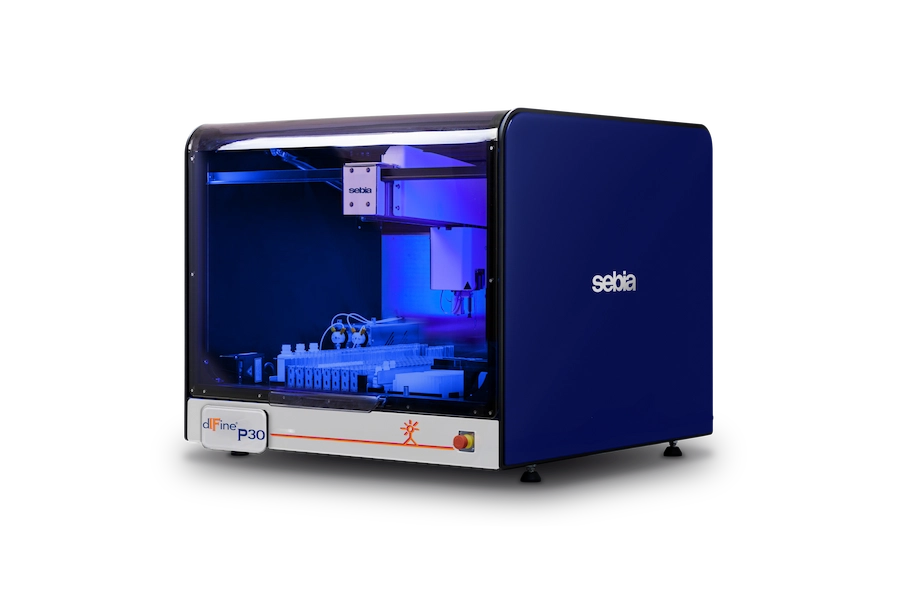
Instruments for diagnosing Vasculitis

References

a) Radice A, Sinico RA. Antineutrophil cytoplasmic antibodies (ANCA). Autoimmunity. 2005 Feb;38(1):93-103.

b) Tervaert JW, Damoiseaux J. Fifty years of antineutrophil cytoplasmic antibodies (ANCA) testing: do we need to revise the international consensus statement on testing and reporting on ANCA? APMIS Suppl. 2009 Jun;(127):55-9.

c) McAdoo SP, Pusey CD. Anti-Glomerular Basement Membrane Disease. Clin J Am Soc Nephrol. 2017 Jul 7;12(7):1162-1172.

This section contains information intended for wide distribution and may therefore contain product details or information that is not available or valid in your country.

Please contact your local Sebia representative. Information intended for healthcare professionals.
Carefully read the instructions in the reagent package inserts and instrument manuals.

Vasculitis | Sebia