
Select Your Region

We noticed you visit this page from United States. Please select your preferred region to continue

skip to content

Country Selector

Based on your location

Europe

North America

Latin America

Asia-Pacific

Autoimmune Diabetes

Simplify your type 1 diabetes diagnostics.

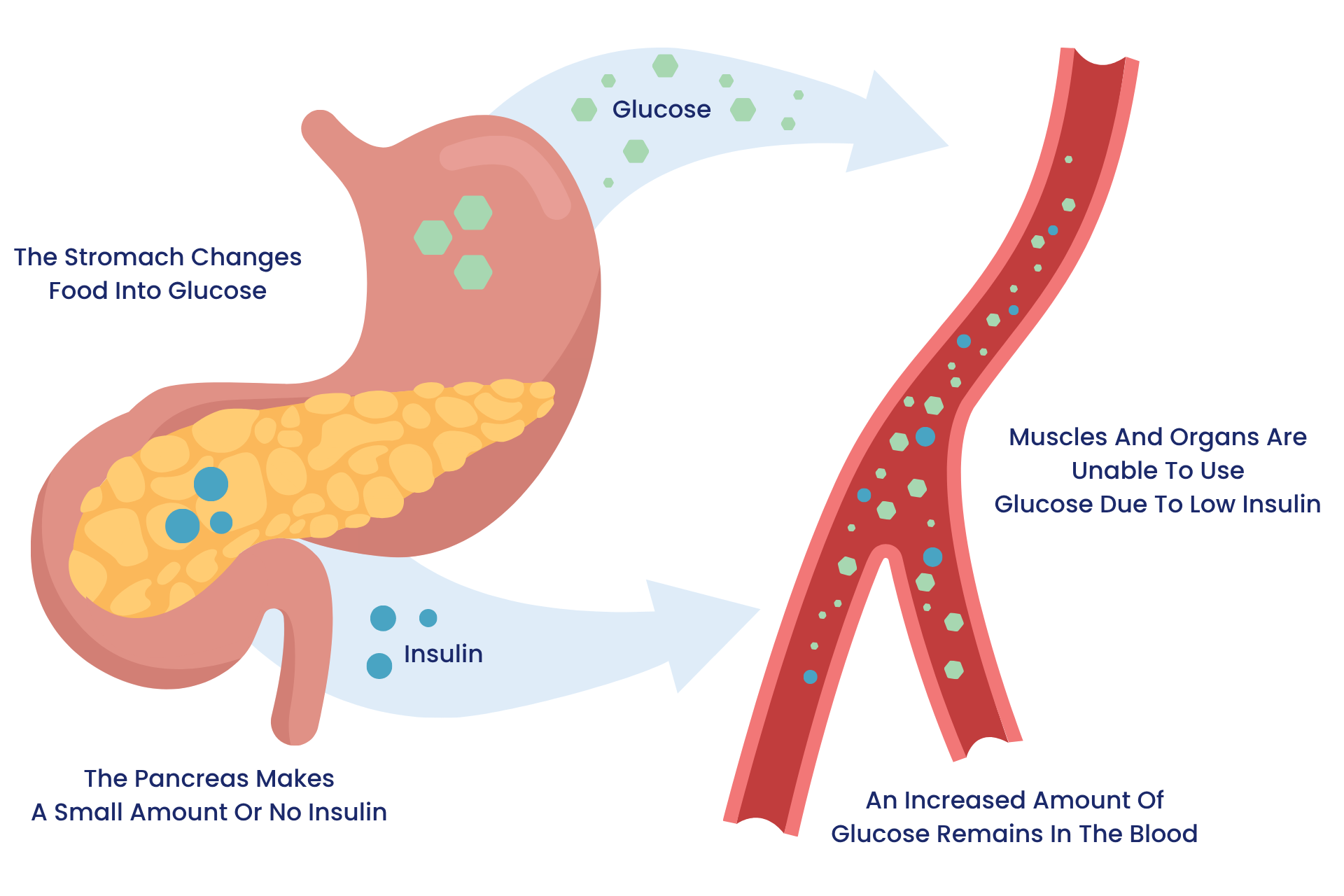
Autoimmune diabetes, also known as type 1 diabetes, is a chronic condition in which the pancreas produces little or no insulin, a hormone necessary for allowing sugar (glucose) to enter cells to produce energy. Unlike type 2 diabetes, which is often associated with lifestyle factors, type 1 diabetes is primarily an autoimmune condition where the body’s immune system mistakenly attacks and destroys the insulin-producing beta cells in the pancreas.

Published date: 11/29/2024 | Modified date: 6/9/2026

Insights on Autoimmune Diabetes

Type 1 diabetes is a chronic autoimmune disease characterized by insulin deficiency and resultant hyperglycemia. Over 90% of people with newly diagnosed type 1 diabetes have measurable antibodies against specific β-cell proteins, including insulin, glutamate decarboxylase, islet antigen 2, zinc transporter 8, and tetraspanin-7. Most people with a single autoantibody do not progress to type 1 diabetes, but seroconversion to the presence of two or more serum autoantibodies in children is associated with an 84% risk of clinical type 1 diabetes by the age of 18 years. Type 1 diabetes is a heritable polygenic disease with identical twin concordance of 30–70%, sibling risk of 6–7%, and a risk of 1–9% for children who have a parent with diabetes.

Autoimmune diabetes begins long before symptoms appear: autoantibodies reveal the disease years before clinical onset.

Key figures

  • 9 million

    people worldwide are living with type 1 diabetes

  • 15%

    is the prevelence of type 1 diabetes in Northern European populations

  • 10%

    of all diabetes cases are of type 1

How do we diagnose Autoimmune Diabetes?

  • Item 1

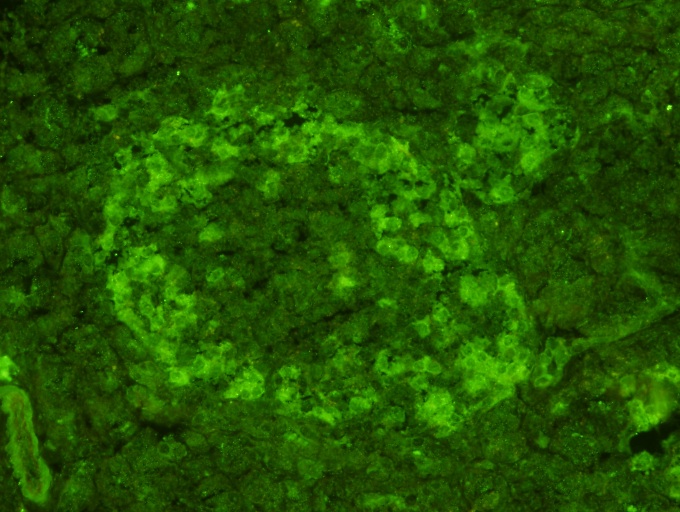
    The diagnosis of autoimmune diabetes is based on a combination of clinical presentation, metabolic markers, and the detection of diabetes-specific autoantibodies. These are the key markers of autoimmune β-cell destruction and may appear years before clinical onset. The most relevant autoantibodies include: Anti-islet cell antibodies (ICA) – typically detected by Indirect Immunofluorescence Assays (IFA), Anti-insulin antibodies (IAA), Anti-GAD antibodies (GAD65), Anti-IA-2 antibodies, Anti-ZnT8 antibodies, typically detected by ELISA.
    Item 1

Knowledge & Science

No content available.

Tests for diagnosing Autoimmune Diabetes

Instruments for diagnosing Autoimmune Diabetes

References

a) DiMeglio LA, Evans-Molina C, Oram RA. Type 1 diabetes. Lancet. 2018 Jun 16;391(10138):2449-2462.

b) Ziegler AG, Rewers M, Simell O, Simell T, Lempainen J, Steck A, Winkler C, Ilonen J, Veijola R, Knip M, Bonifacio E, Eisenbarth GS. Seroconversion to multiple islet autoantibodies and risk of progression to diabetes in children. JAMA. 2013 Jun 19;309(23):2473-9.

c) Jacobsen LM, Schatz DA. Type 1 Diabetes: A Review. JAMA. 2026 Feb 16.

This section contains information intended for wide distribution and may therefore contain product details or information that is not available or valid in your country.

Please contact your local Sebia representative. Information intended for healthcare professionals.
Carefully read the instructions in the reagent package inserts and instrument manuals.