
Select Your Region

We noticed you visit this page from United States. Please select your preferred region to continue

skip to content

Country Selector

Based on your location

Europe

North America

Latin America

Asia-Pacific

Inflammatory Bowel Diseases

Detect inflammation, protect patients’ gut!

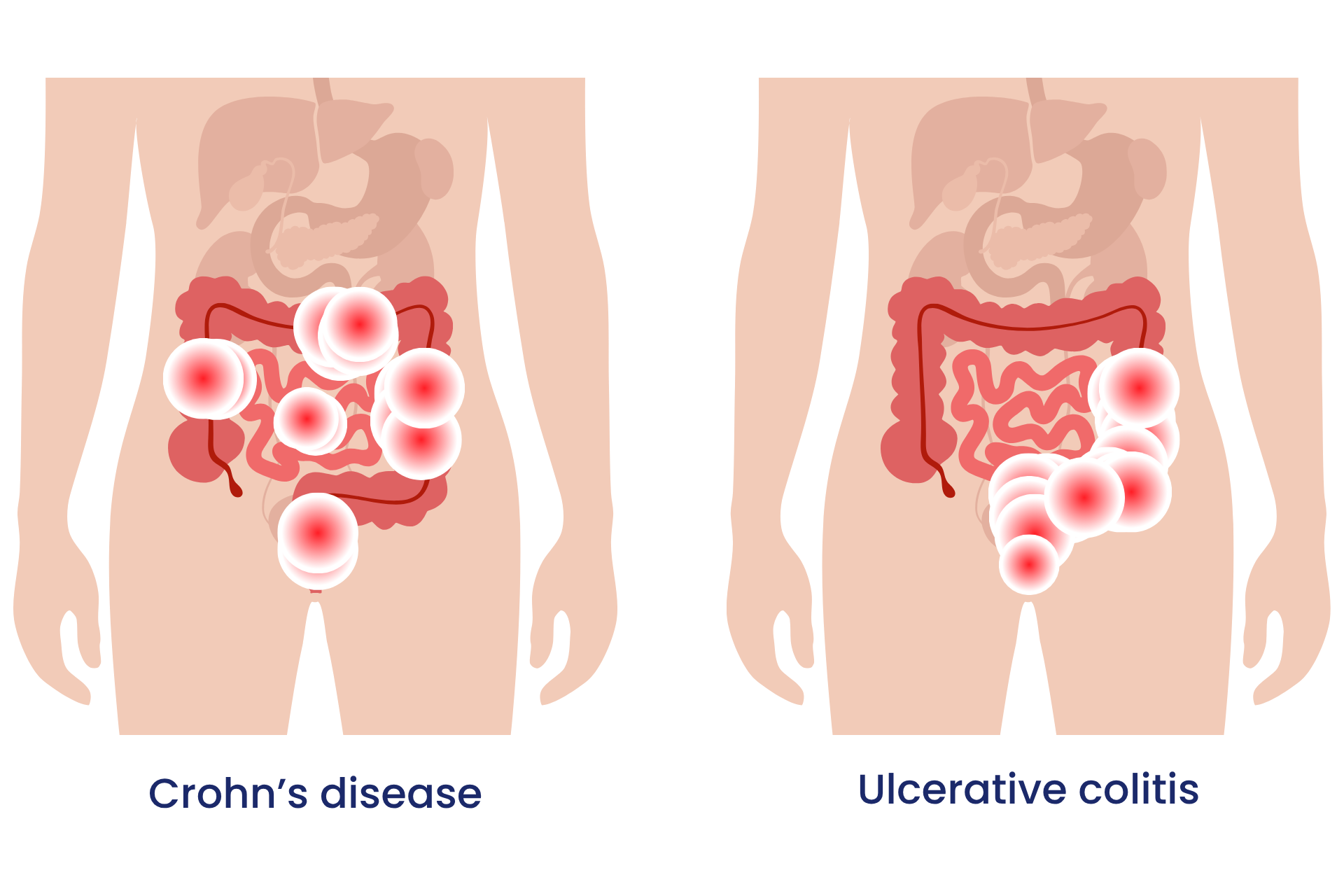
Inflammatory bowel disease (IBD) is a group of chronic gastrointestinal tract (GI) inflammatory conditions. The two main types of IBD are Crohn’s disease and ulcerative colitis. Crohn’s disease can affect any part of the GI tract,  but most commonly it affects the final tract of the small intestine (ileum) and the beginning of the colon. In contrast, ulcerative colitis is limited to the colon (large intestine) and rectum. The diagnosis of IBD is based on the clinical picture of the patient as well as on a combination of endoscopic,  histological, laboratory, and radiological tests.

Published date: 11/29/2024 | Modified date: 6/9/2026

Insights on IBD

Crohn’s disease (CD) is a chronic, immune-mediated inflammatory disorder of the gastrointestinal tract that most commonly affetcs the terminal ileum and colon. It is characterized by transmural, patchy inflammation, which can lead to complications such as strictures, fistulas, and ulceration. Clinically, patients present with abdominal pain, diarrhea, weight loss, fatigue, and sometimes extra-intestinal manifestations like arthritis or skin lesion. Anti-Saccharomyces cerevisiae antibodies (ASCA) are commonly detected in CD and can help differentiate it from ulcerative colitis.

Ulcerative colitis (UC) is limited to the colon and rectum, characterized by continuous mucosal inflammation, ulceration, and bleeding. Atypical perinuclear anti-neutrophil cytoplasmic antibodies (x-ANCA) are frequently associated with UC and can help differentiate it from CD, although diagnosis relies on a combination of clinical evaluation, endoscopy, histology, and serology.

One of the most reliable tests for IBD diagnosis, is the non-invasive detection of calprotectin in stool. The level of fecal calprotectin is proportional to the extent of inflammation and helps distinguish IBD from irritable bowel syndrome (IBS).

IBD affects millions worldwide, causing chronic inflammation, serious complications, and high healthcare costs.

Key figures

  • 3.8 million

    people in the USA and Europe are estimated to have IBD

  • 375k

    new cases of IBD are diagnosed worldwide each year

  • 20k $

    Yearly direct and indirect medical costs for an IBD patient

How do we diagnose IBD?

  • Item 1

    The stool tests and antibody detection are useful for differentiated diagnosis of an inflammation located in the gastrointestinal tract. For example, the detection of fecal calprotectin supports the differentiation of IBS and IBD. In cases of IBS, calprotectin values are in the normal range. Elevated calprotectin levels are found in cases of IBD, infectious gastroenteritis, necrotizing enterocolitis, allergic colitis, cystic fibrosis, and colorectal carcinoma.

    Item 1

Knowledge & Science

No content available.

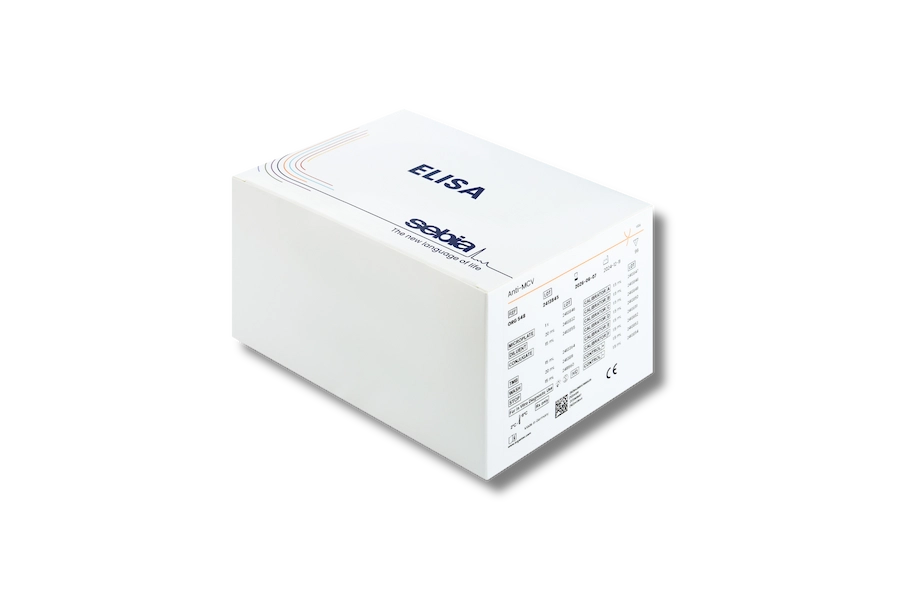
Tests for diagnosing Inflammatory Bowel Diseases

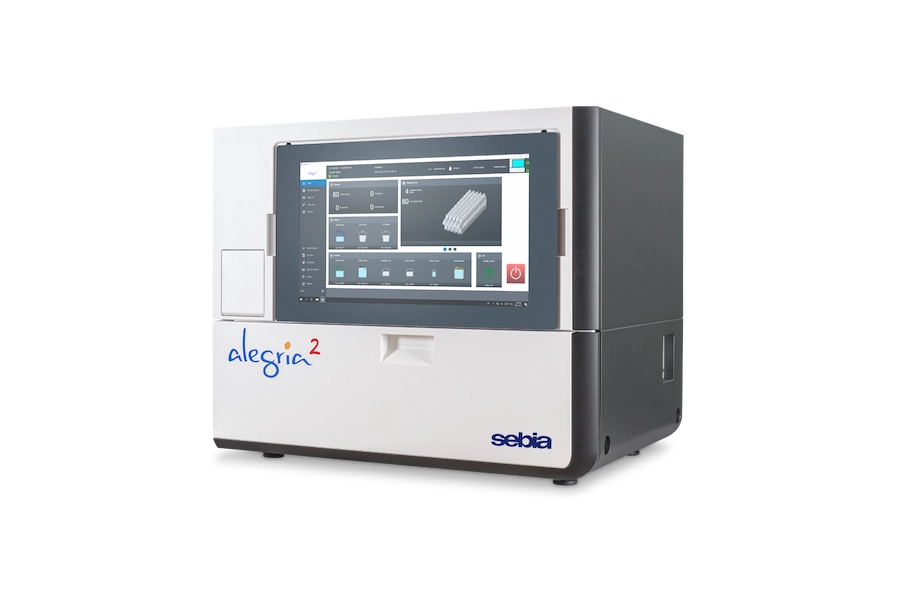
Instruments for diagnosing Inflammatory Bowel Diseases

References

a) Ng SC, Shi HY, Hamidi N, Underwood FE, Tang W, Benchimol EI, Panaccione R, Ghosh S, Wu JCY, Chan FKL, Sung JJY, Kaplan GG. Worldwide incidence and prevalence of inflammatory bowel disease in the 21st century: a systematic review of population-based studies. Lancet. 2017 Dec 23;390(10114):2769-2778.

b) Li L, Cheng R, Wu Y, Lin H, Gan H, Zhang H. Diagnosis and management of inflammatory bowel disease. J Evid Based Med. 2024 Jun;17(2):409-433.

c) Park KT, Ehrlich OG, Allen JI, Meadows P, Szigethy EM, Henrichsen K, Kim SC, Lawton RC, Murphy SM, Regueiro M, Rubin DT, Engel-Nitz NM, Heller CA. The Cost of Inflammatory Bowel Disease: An Initiative From the Crohn's & Colitis Foundation. Inflamm Bowel Dis. 2020 Jan 1;26(1):1-10.

This section contains information intended for wide distribution and may therefore contain product details or information that is not available or valid in your country.

Please contact your local Sebia representative. Information intended for healthcare professionals.
Carefully read the instructions in the reagent package inserts and instrument manuals.