

Select Your Region

We noticed you visit this page from United States. Please select your preferred region to continue

skip to content

Country Selector

Based on your location

Europe

North America

Latin America

Asia-Pacific

Organ-Specific Autoimmune Diseases

Expanding diagnostics to better understand autoimmune diseases.

Organ-specific autoimmune diseases are disorders in which the immune system selectively targets antigens within a single organ or tissue, leading to localized inflammation and progressive loss of function. A wide range of organs can be affected, including the thyroid, pancreas, gastrointestinal tract, liver, skin, nervous system, adrenal glands, and reproductive organs. The detection of disease-specific autoantibodies is essential for accurate diagnosis and disease monitoring.

Published date: 11/29/2024 | Modified date: 6/9/2026

Insights on Organ-Specific Autoimmune Diseases

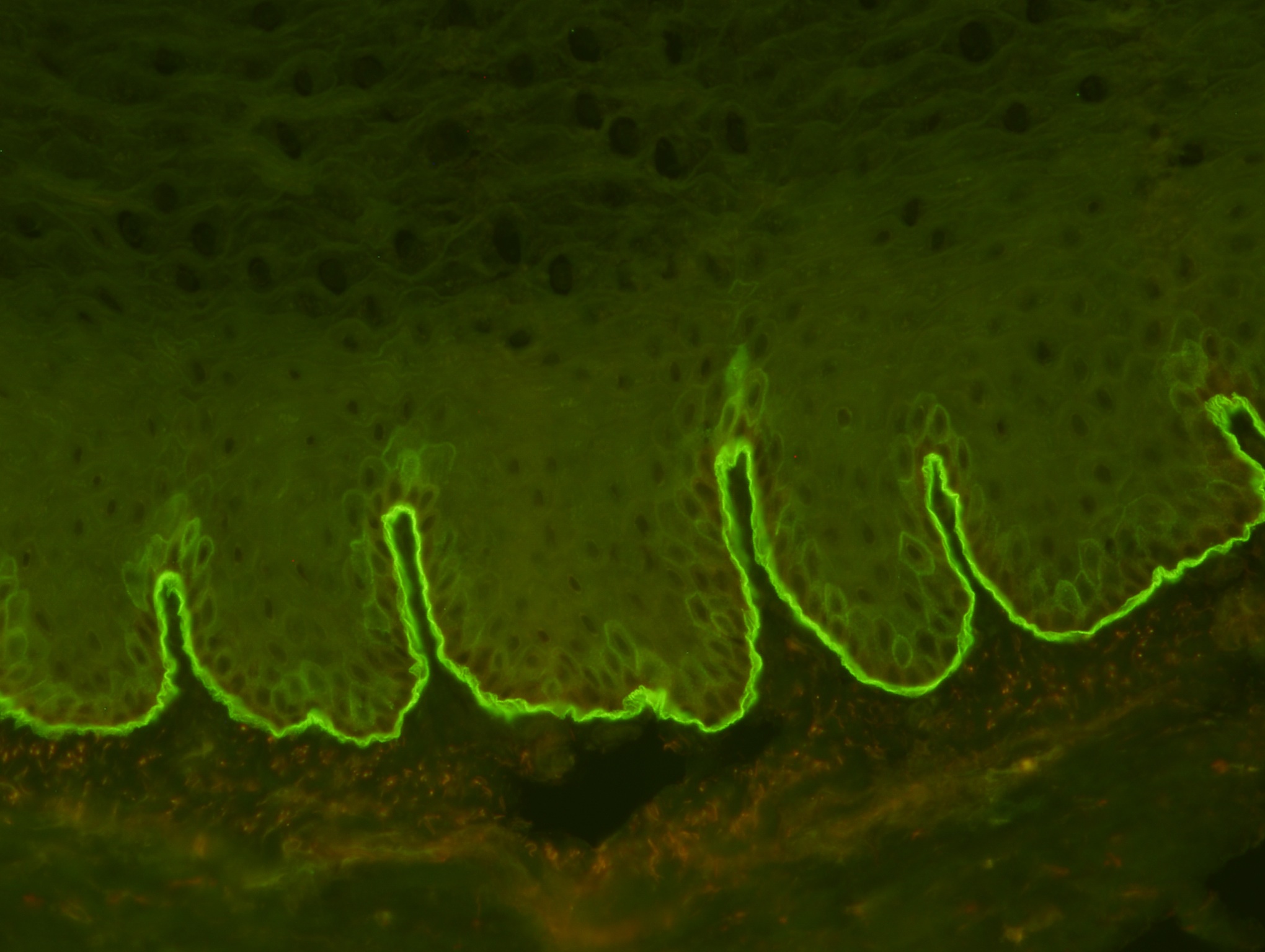
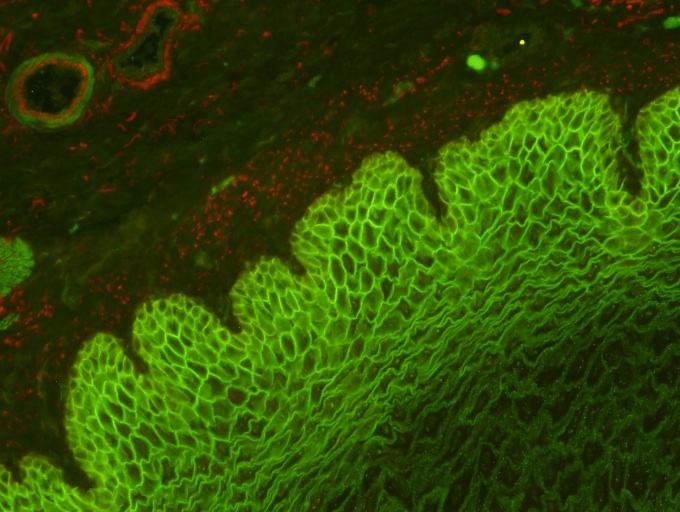
Organ-specific autoimmune diseases arise from a breakdown of immune tolerance, resulting in the production of organ-specific autoantibodies and autoreactive immune cells. Skin-related autoimmune diseases include pemphigus and bullous pemphigoid, characterized by autoantibodies against structural skin proteins.

Neurological involvement is seen in disorders such as myasthenia gravis, where antibodies target neuromuscular junction receptors.

Autoimmune conditions can also affect endocrine organs, such as Addison’s disease, caused by immune-mediated destruction of the adrenal cortex. In reproductive medicine, autoimmune responses against spermatozoa or ovarian tissues can contribute to infertility.

Autoimmune skin diseases affect tens of millions of people worldwide, representing a major dermatological and immunological health burden.

Key figures

  • 3%

    of the world’s population is affected by autoimmune skin diseases

  • 25%

    of the cases of infertility in couples are related to anti-sperm antibodies

  • 700k

    people worldwide are living with Myasthenia gravis

How do we diagnose Organ-Specific Autoimmune Diseases?

  • Item 1

    Diagnosis of organ-specific autoimmune disorders combines serology, functional tests, tissue biopsy, imaging, and genetic profiling to ensure accurate identification and effective management. Indirect Immunofluorescence Assays (IFA) provide sensitive, pattern-based detection of autoantibodies, enabling early and differential diagnosis.
    Item 1

Knowledge & Science

No content available.

Tests for diagnosing Organ-Specific Autoimmune Diseases

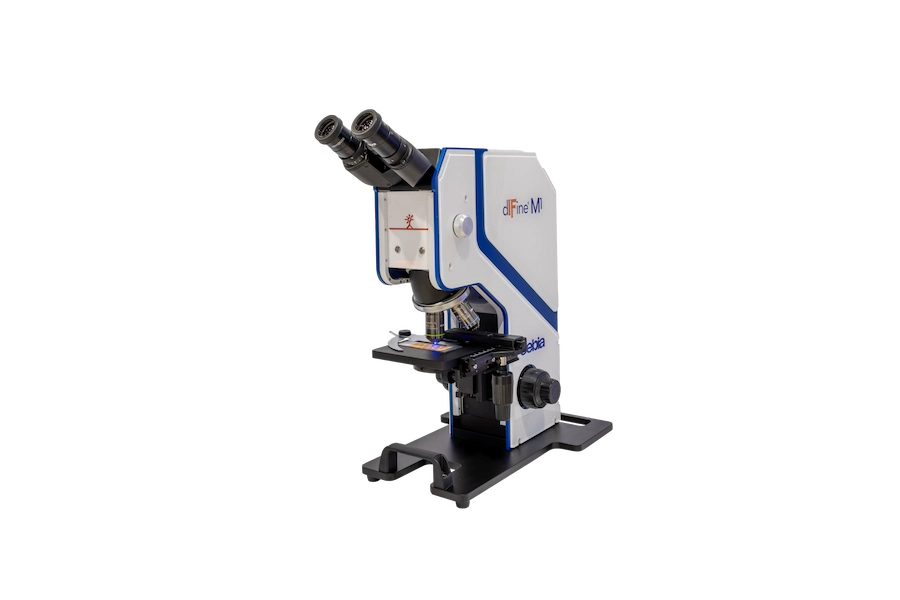
Instruments for diagnosing Organ-Specific Autoimmune Diseases

References

a) Powers CM, Thakker S, Gulati N, Talia J, Dubin D, Zone J, Culton DA, Hopkins Z, Adalsteinsson JA. Bullous pemphigoid: A practical approach to diagnosis and management in the modern era. J Am Acad Dermatol. 2025 Jun;92(6):1337-1350.

b) Malik AM, Tupchong S, Huang S, Are A, Hsu S, Motaparthi K. An Updated Review of Pemphigus Diseases. Medicina (Kaunas). 2021 Oct 9;57(10):1080.

c) Haratian K, Faegh A, Mehrpoor G, Doustmohammadi M, Rezaeinasab R, MomeniAmjadi A. Potential causes and associated conditions with anti-sperm antibody production among infertile males: a systematic literature review. BMC Immunol. 2025 Aug 6;26(1):58.

This section contains information intended for wide distribution and may therefore contain product details or information that is not available or valid in your country.

Please contact your local Sebia representative. Information intended for healthcare professionals.
Carefully read the instructions in the reagent package inserts and instrument manuals.