
Select Your Region

We noticed you visit this page from United States. Please select your preferred region to continue

skip to content

Country Selector

Based on your location

Europe

North America

Latin America

Asia-Pacific

Autoimmune Thyroid Diseases

Accuracy in autoimmune thyroid disease diagnostics.

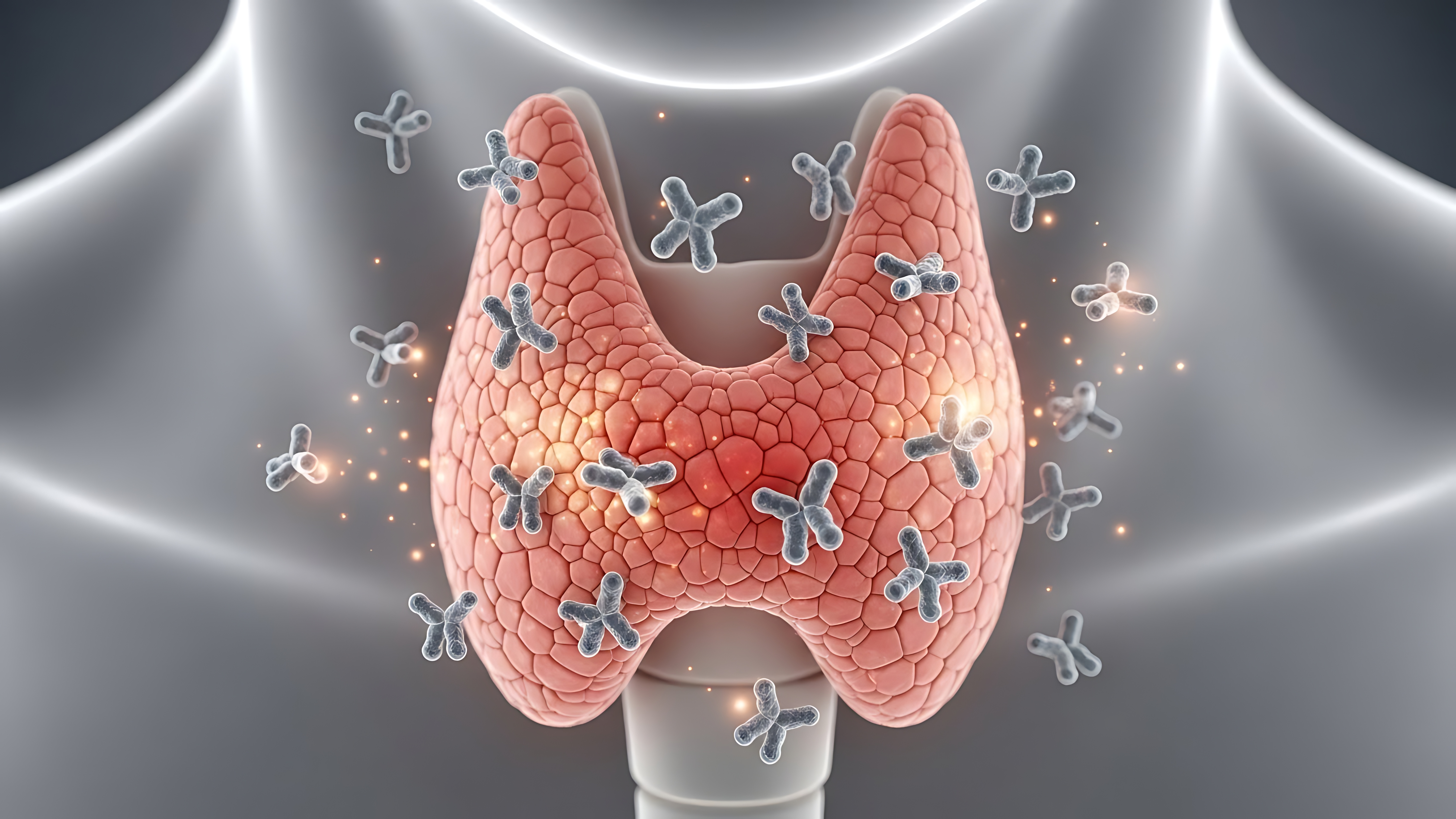
Autoimmune thyroid diseases are the most common type of autoimmune disease. The two primary diseases are Hashimoto’s thyroiditis and Graves’ disease, each characterized by different effects on thyroid function. These conditions arise from the production of thyroid-specific autoantibodies and immune-mediated inflammation that can alter hormone synthesis and secretion. As a result, patients may develop either hypothyroidism or hyperthyroidism, depending on the underlying disease mechanism. The detection of thyroid autoantibodies plays a crucial role in supporting diagnosis and guiding clinical management.

Published date: 11/29/2024 | Modified date: 6/9/2026

Insights on Autoimmune Thyroid Diseases

Autoimmune thyroid diseases are the most common type of autoimmune disease. In the blood of the patients, autoantibodies can be detected, which are directed against different thyroid proteins and impair their functioning. Antibodies against thyroid microsomes with the main antigen thyroperoxidase (anti-TPO) and antibodies against thyroglobulin (anti-TG) or the thyroid-stimulating hormone receptor (TRAb) are characteristic of autoimmune thyroid diseases. The two primary types are Hashimoto’s thyroiditis and Graves’ disease, each affecting thyroid function differently. Hashimoto’s leads to hypothyroidism due to thyroid gland destruction, while Graves’ causes hyperthyroidism due to overproduction of thyroid hormones. The immune system produces antibodies against thyroid proteins, such as thyroperoxidase (TPO) and thyroglobulin (Tg).

If TPO is inhibited by the binding of specific antibodies, less thyroid hormone is produced, which leads to hypothyroidism. Because of the close functional relationship between the two enzymes, antibodies against TPO and Tg are often found together. Elevated TPO antibody titers are found in 90% of patients with Hashimoto’s thyroiditis and can also be detected in patients with autoimmune hyperthyroidism (Grave’s disease).

Hashimoto’s thyroiditis is the most common autoimmune thyroid disorder and a leading cause of hypothyroidism.

Key figures

  • 350 million

    people worldwide are living with autoimmune thyroid disease

  • 5-10%

    is the prevalence of Hashimoto's thyroiditis in the general population

  • 5:1

    is the women-men affected ratio

How do we diagnose autoimmune thyroid diseases?

  • Item 1

    Diagnosing autoimmune thyroid diseases involves clinical evaluation, thyroid imaging (ultrasound), thyroid function tests, and detection of specific autoantibodies. Among thyroid function tests, elevated thyroid-stimulating hormone (TSH) and low free thyroxine (FT4) levels indicate hypothyroidism, where high levels of anti-TPO and anti-TG antibodies are indicative of Hashimoto’s thyroiditis.

    Item 1

Knowledge & Science

No content available.

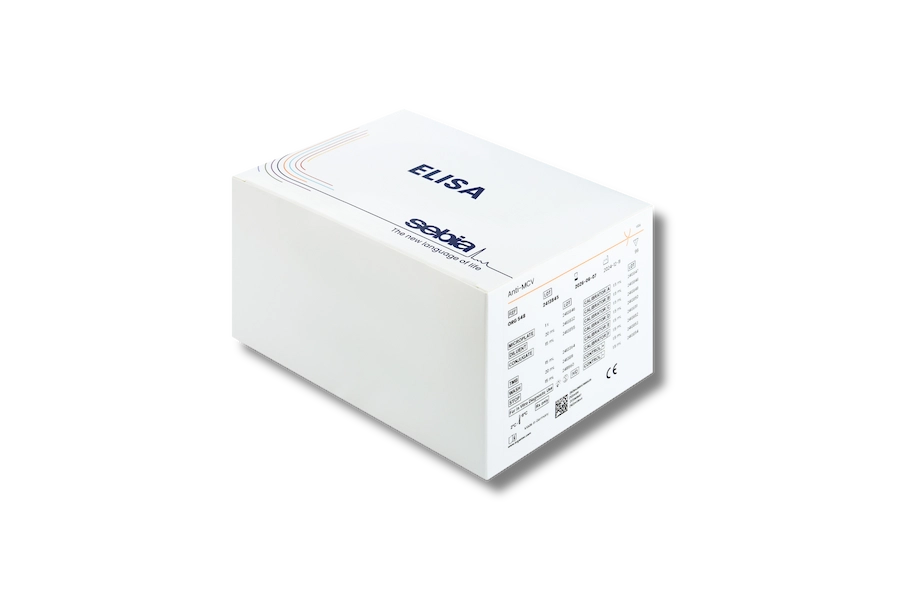
Tests for diagnosing Autoimmune Thyroid Diseases

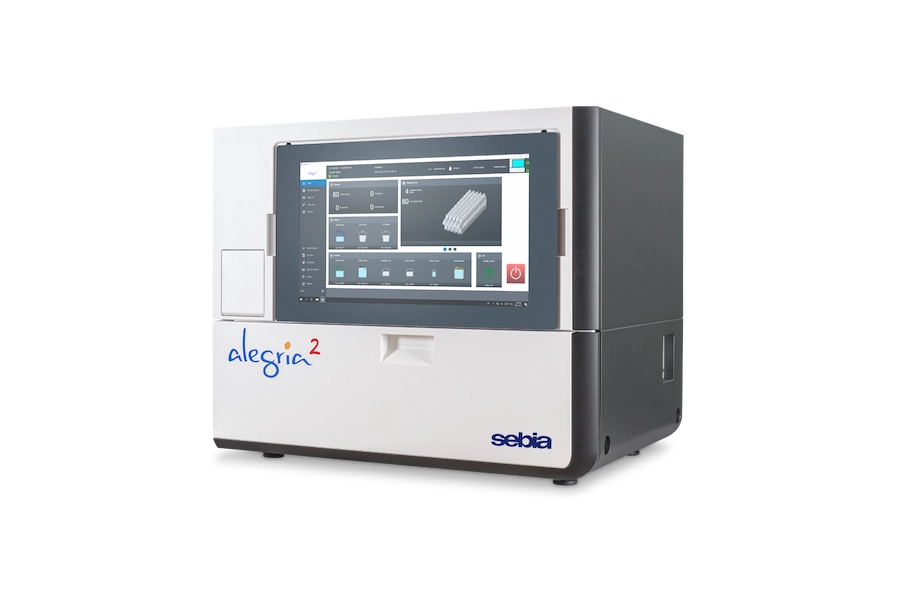
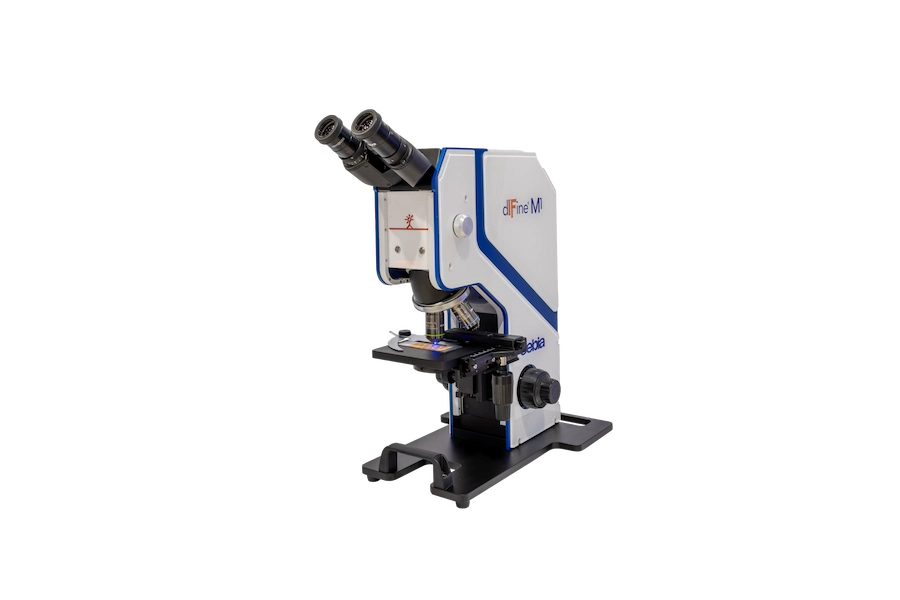
Instruments for diagnosing Autoimmune Thyroid Diseases

References

a) Caturegli P, De Remigis A, Rose NR. Hashimoto thyroiditis: clinical and diagnostic criteria. Autoimmun Rev. 2014 Apr-May;13(4-5):391-7.

b) Merrill SJ, Mu Y. Thyroid autoimmunity as a window to autoimmunity: An explanation for sex differences in the prevalence of thyroid autoimmunity. J Theor Biol. 2015 Jun 21;375:95-100.

c) Vargas-Uricoechea H, Castellanos-Pinedo A, Urrego-Noguera K, Pinzón-Fernández MV, Meza-Cabrera IA, Vargas-Sierra H. A Scoping Review on the Prevalence of Hashimoto's Thyroiditis and the Possible Associated Factors. Med Sci (Basel). 2025 Apr 10;13(2):43.

This section contains information intended for wide distribution and may therefore contain product details or information that is not available or valid in your country.

Please contact your local Sebia representative. Information intended for healthcare professionals.
Carefully read the instructions in the reagent package inserts and instrument manuals.