Excellent separation
The clear-cut and precise separation of the different hemoglobin fractions allows accurate HbA1c measurement thanks to high resolution separation of our capillary instruments.


Worldwide, 589 million adults are living with diabetes, and nearly half remain undiagnosed. Glycated hemoglobin (HbA1c) is a cornerstone marker for both diagnosing diabetes and monitoring long‑term glycemic control, as it reflects the average blood glucose level over the preceding three months.
More than 20 years ago, the WHO endorsed HbA1c as a diagnostic tool, establishing a threshold of 6.5% (48 mmol/mol).
Today, HbA1c testing remains essential for identifying diabetes and assessing disease progression in diagnosed patients.
Leveraging its extensive expertise in capillary electrophoresis, Sebia has optimized this high‑resolution technology for HbA1c analysis. This advanced method provides laboratories and clinicians with accurate, reliable, and clinically meaningful results, supporting improved patient care and long‑term disease management.
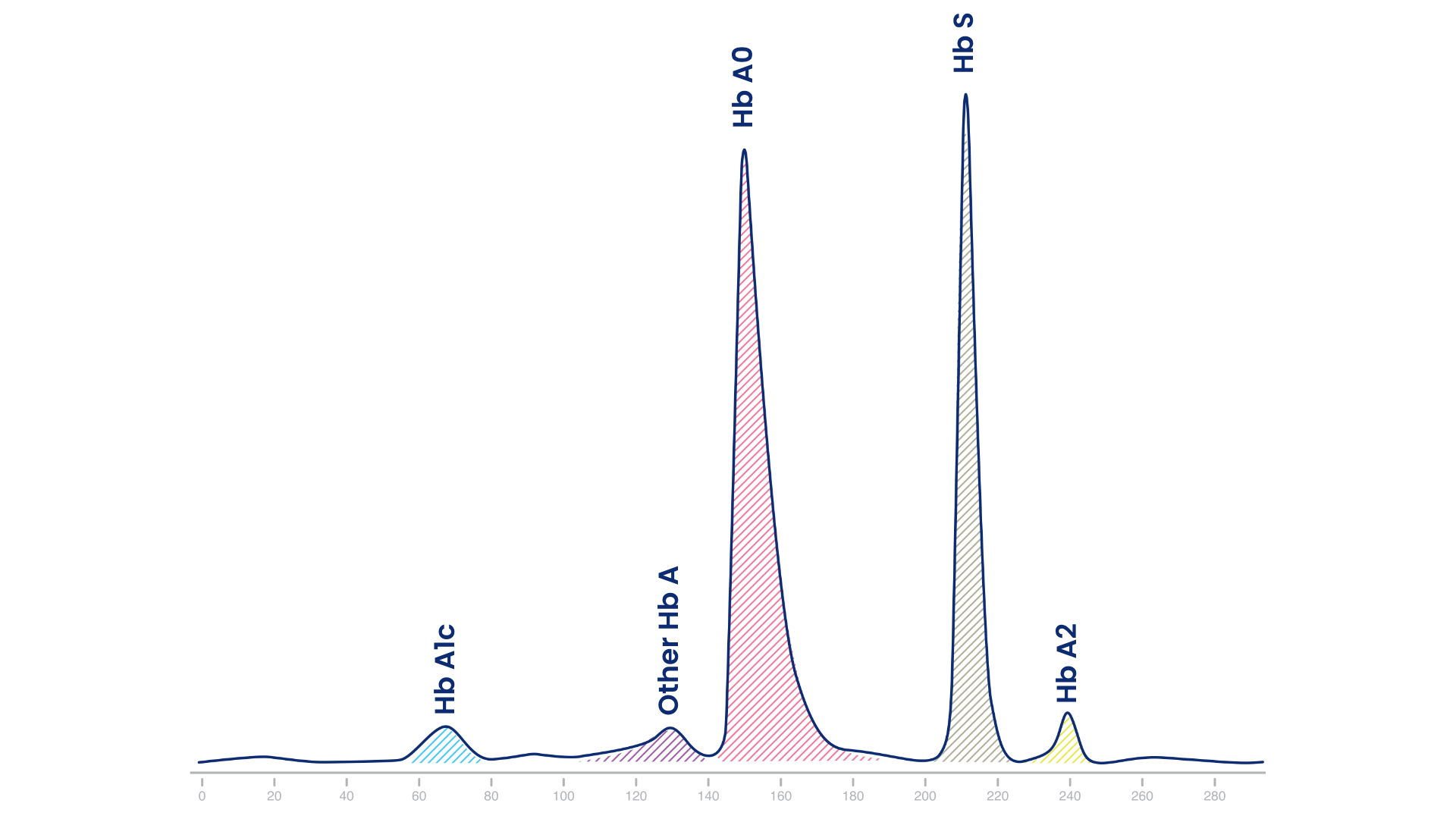
High‑resolution solution ensuring high‑quality results for all patients.
The clear-cut and precise separation of the different hemoglobin fractions allows accurate HbA1c measurement thanks to high resolution separation of our capillary instruments.
There is no impact on HbA1c quantification in the presence of common analytical interferences—including labile A1c, carbamylated hemoglobin, Hb F, Hb S, Hb C, Hb D, and Hb E. The method also allows incidental detection of frequent hemoglobin disorders, such as sickle cell disease and β‑thalassemia. Thanks to the clear visual separation of hemoglobin fractions, potential interferences are minimized and flagged when present, ensuring results that are both reliable and clinically meaningful.
By using the calculation formula from the IFCC reference method (HbA1c/(HbA1c+Hb A0)), developed for the global harmonization of assays, the Sebia methodology ensures accurate and reliable results. Sebia CE does not produce erroneous results in samples containing homozygous hemoglobin variants or in patients lacking HbA, thereby providing laboratories and clinicians with great confidence in the results reported.
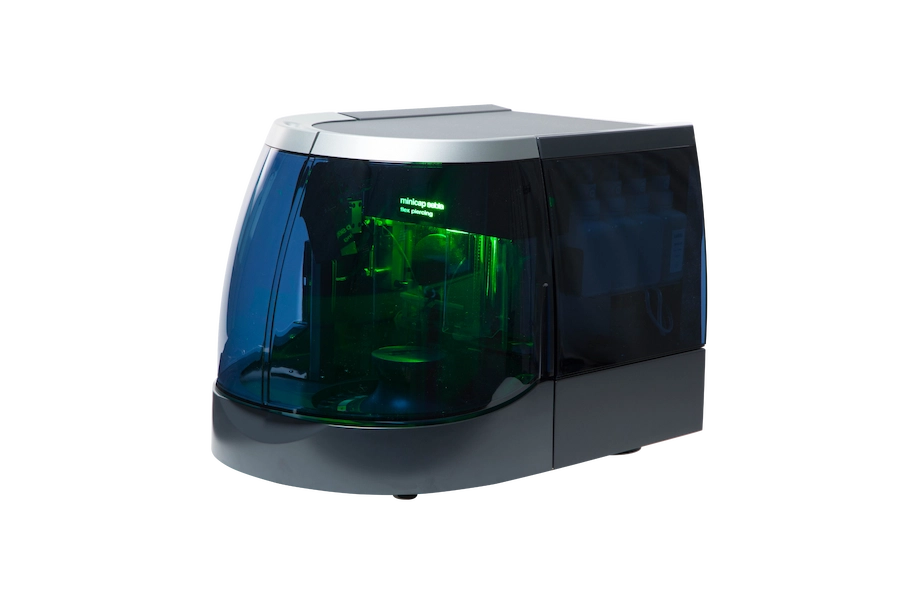
With Sebia’s broad portfolio of capillary electrophoresis instruments, laboratories can select the platform that best matches their workflow—from compact standalone benchtop systems to fully integrated workcell configurations
HbA1c corresponds to hemoglobin A that has undergone irreversible glycation on one or both N‑terminal valines of the β‑globin chains.
Its concentration reflects the integrated effect of glycemic fluctuations over the preceding weeks, providing a stable measure of long‑term glucose exposure.
HbA1c measurement is used:
Throughput (tests/hour)*
HbA1c
No interference from common hemoglobin variants, or Hb F or carbamylated hemoglobin. Factors that Interfere with HbA1c Test Results
*Firmware-dependent; contact your local Sebia representative for current information.
**Maximum Capacity or MC designation refers to Tube Loader CAPILLARYS 3 - P/N: 1249 and Rack Conveyor CAPILLARYS 3 - P/N: 1250 associated with CAPILLARYS 3 TERA - P/N: 1246.
Each Sebia capillary instrument has a dedicated reagent kit to perform HbA1c analysis.
No content available.
Capillary Electrophoresis solution to meet your high capacity needs.
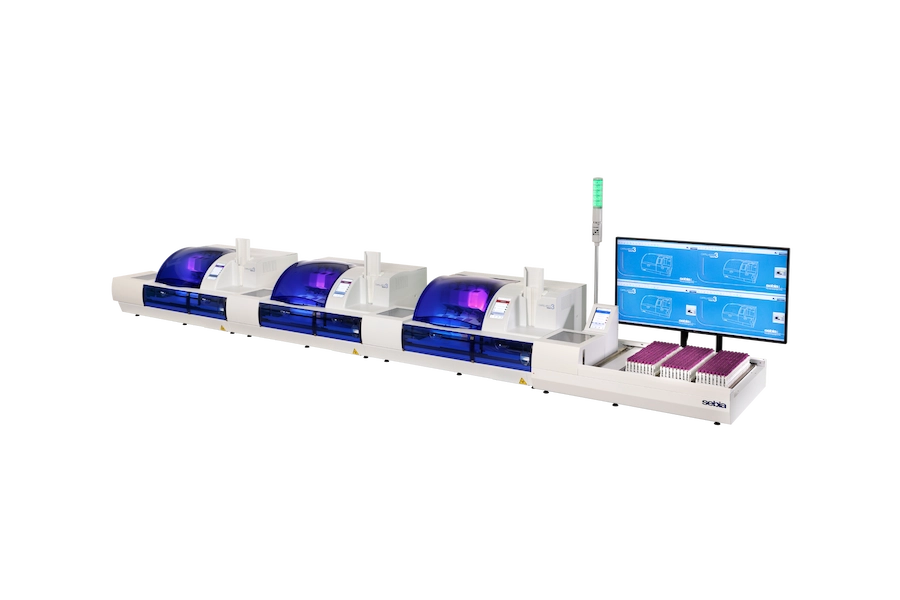
A concentrate of Sebia’s expertise in a high throughput instrument.
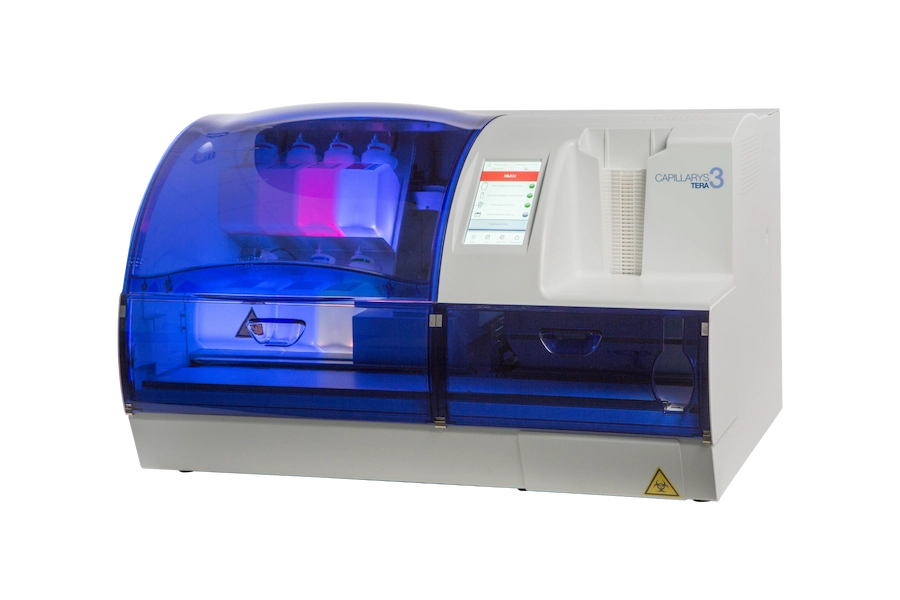
Evolution makes the difference.
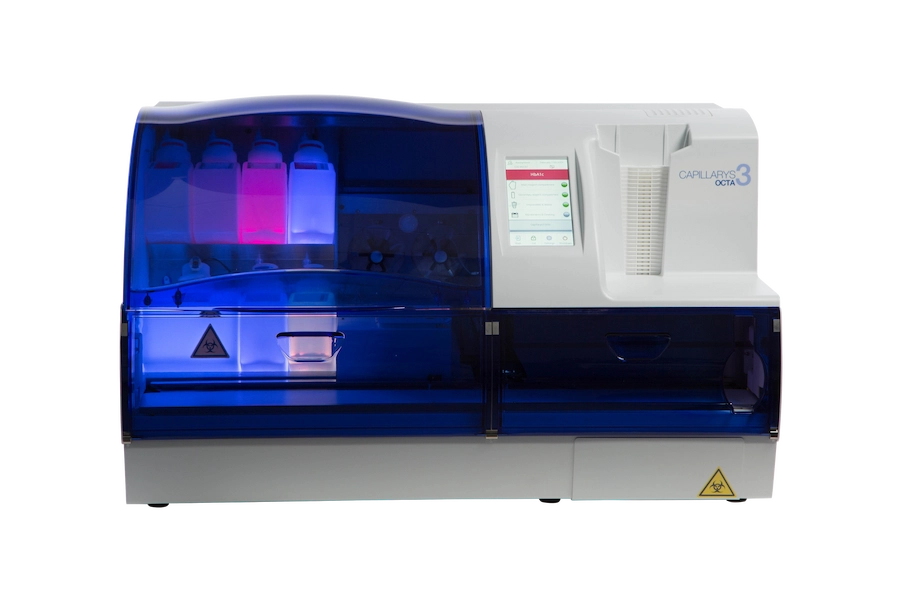
The compact and affordable automation of Capillary Electrophoresis.
This section contains information intended for wide distribution and may therefore contain product details or information that is not available or valid in your country. Please contact your local Sebia representative. Information intended for healthcare professionals. Carefully read the instructions in the reagent package inserts and instrument manuals.