Select Your Region

We noticed you visit this page from United States. Please select your preferred region to continue

skip to content

Country Selector

Based on your location

Europe

North America

Latin America

Asia-Pacific

Healthcare Professional Verification

This section contains medical information for licensed healthcare professionals only. Please confirm your professional status to continue.

Hemoglobin disorders screening

The high-resolution method for hemoglobin disorders screening.

Published date: 3/8/2021 | Modified date: 6/10/2026

How do we diagnose Hemoglobin disorders?

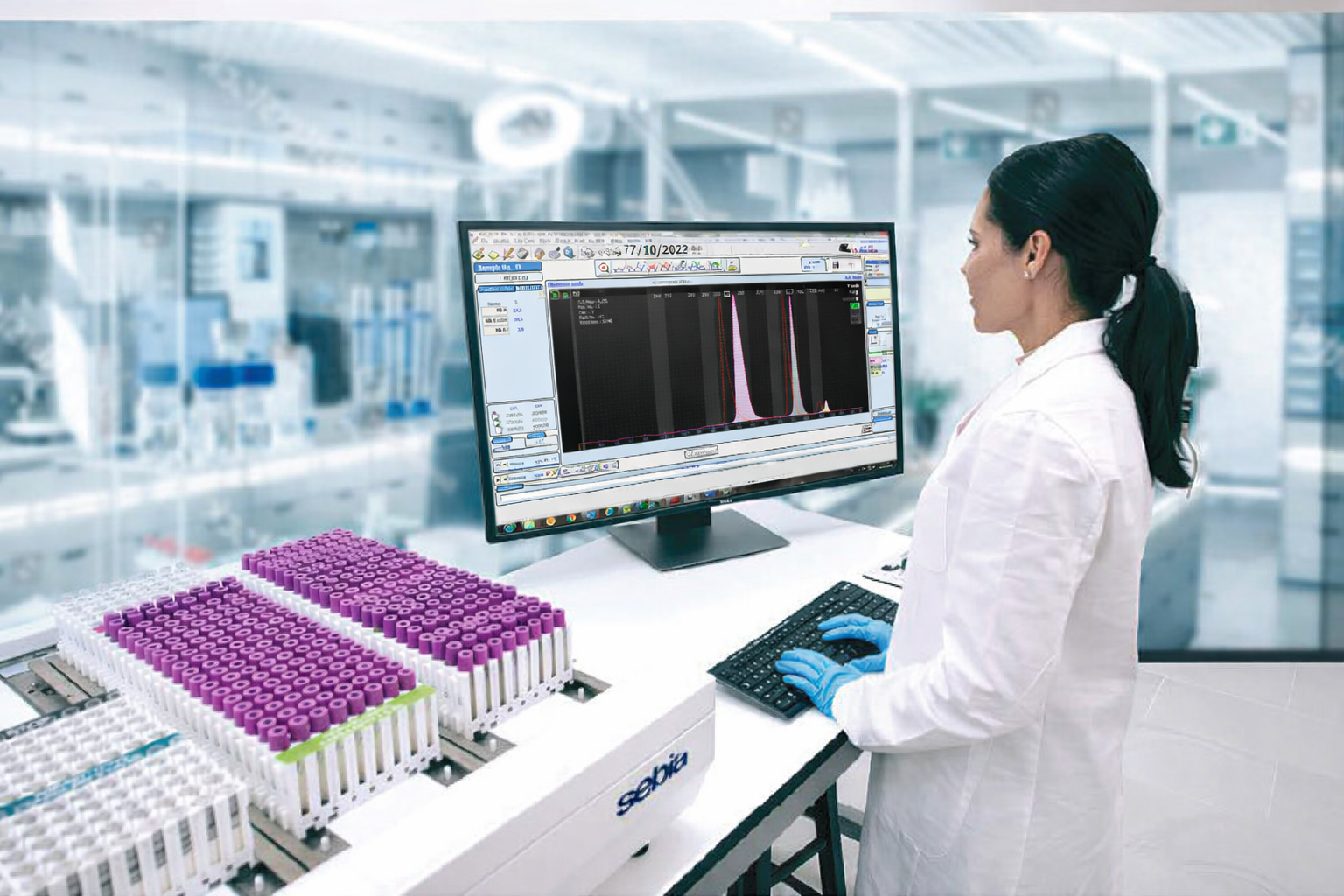
Hemoglobin electrophoresis is a well-established technique routinely used in clinical laboratories to screen patient samples for hemoglobinopathies (hemoglobin variants and thalassemias).

Many international organizations, including the Thalassaemia International Federation (TIF), the Centers for Disease Control and Prevention (CDC), and the Association of Public Health Laboratories (APHL), recognize the benefits of Sebia Capillary Electrophoresis (CE) technology, particularly its high resolution and the clarity of hemoglobin fraction profiles for screening hemoglobin disorders.

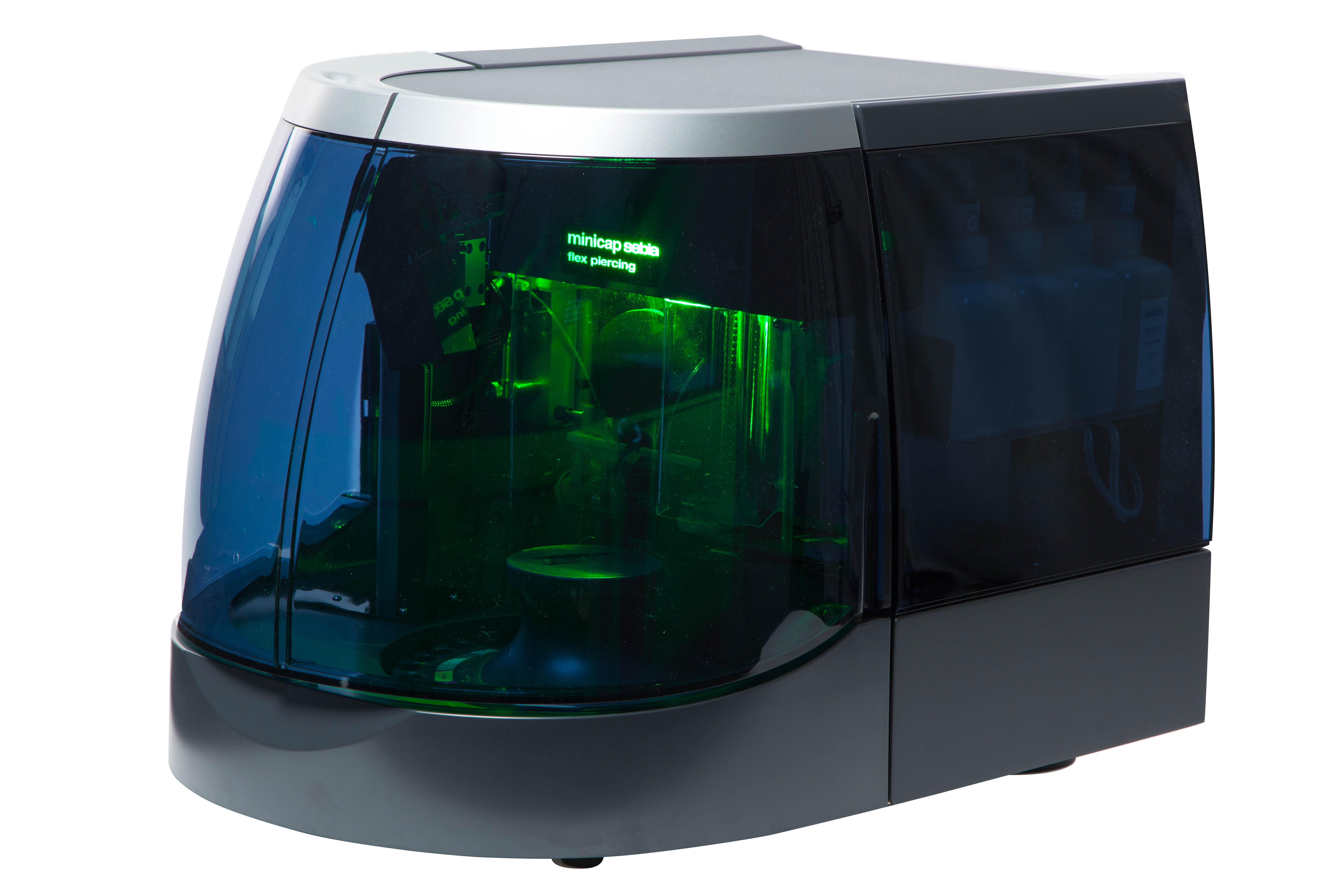
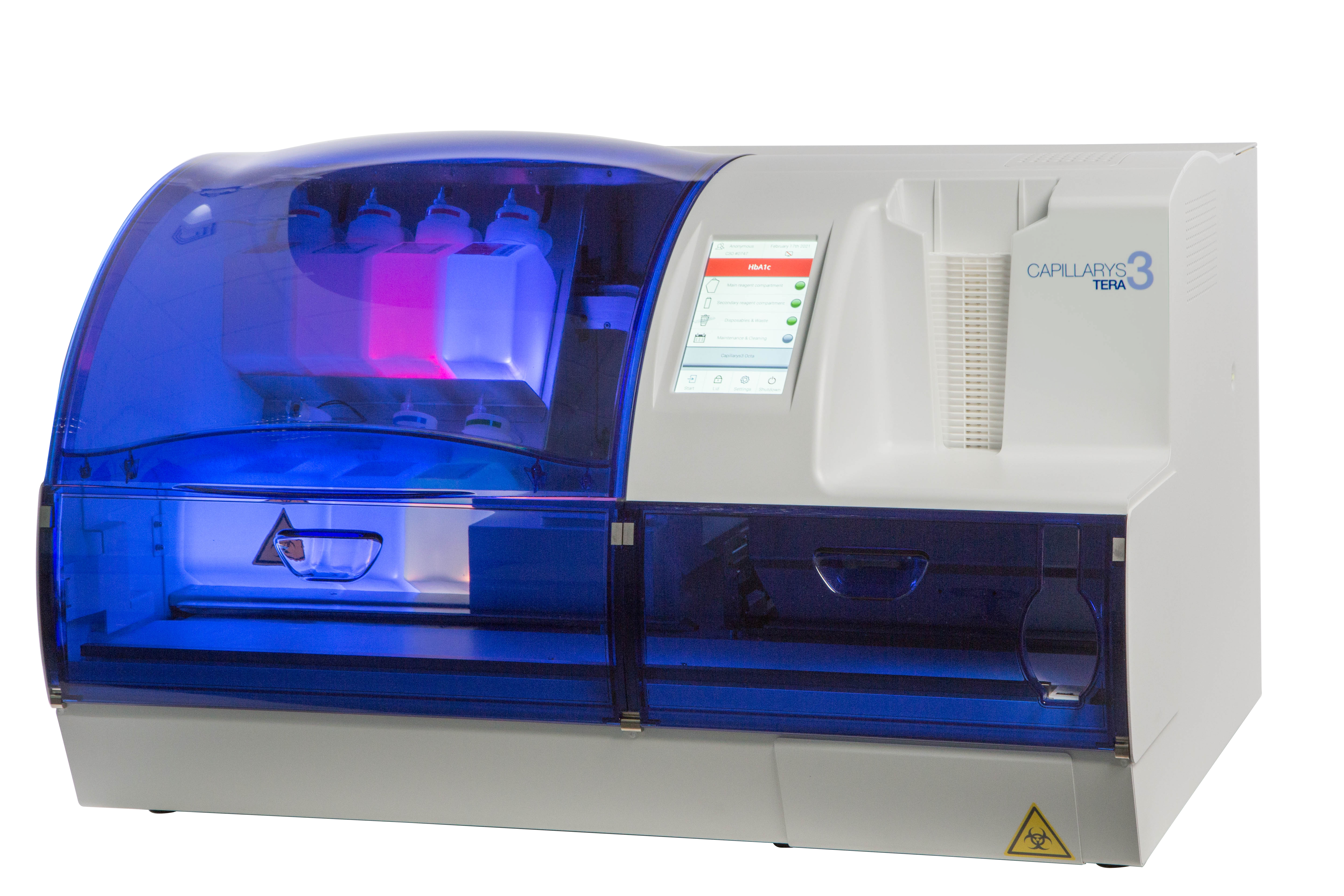
The CAPI 3 HEMOGLOBIN(E) and the MINICAP HEMOGLOBIN(E) kits are intended for the separation of the normal hemoglobins (A, A2 and F) in human blood samples, and for the detection of the major hemoglobin variants (S, C, E and D), by Capillary Electrophoresis in alkaline buffer (pH 9.4) with the Sebia CAPILLARYS 3 and MINICAP FLEX-PIERCING instruments.

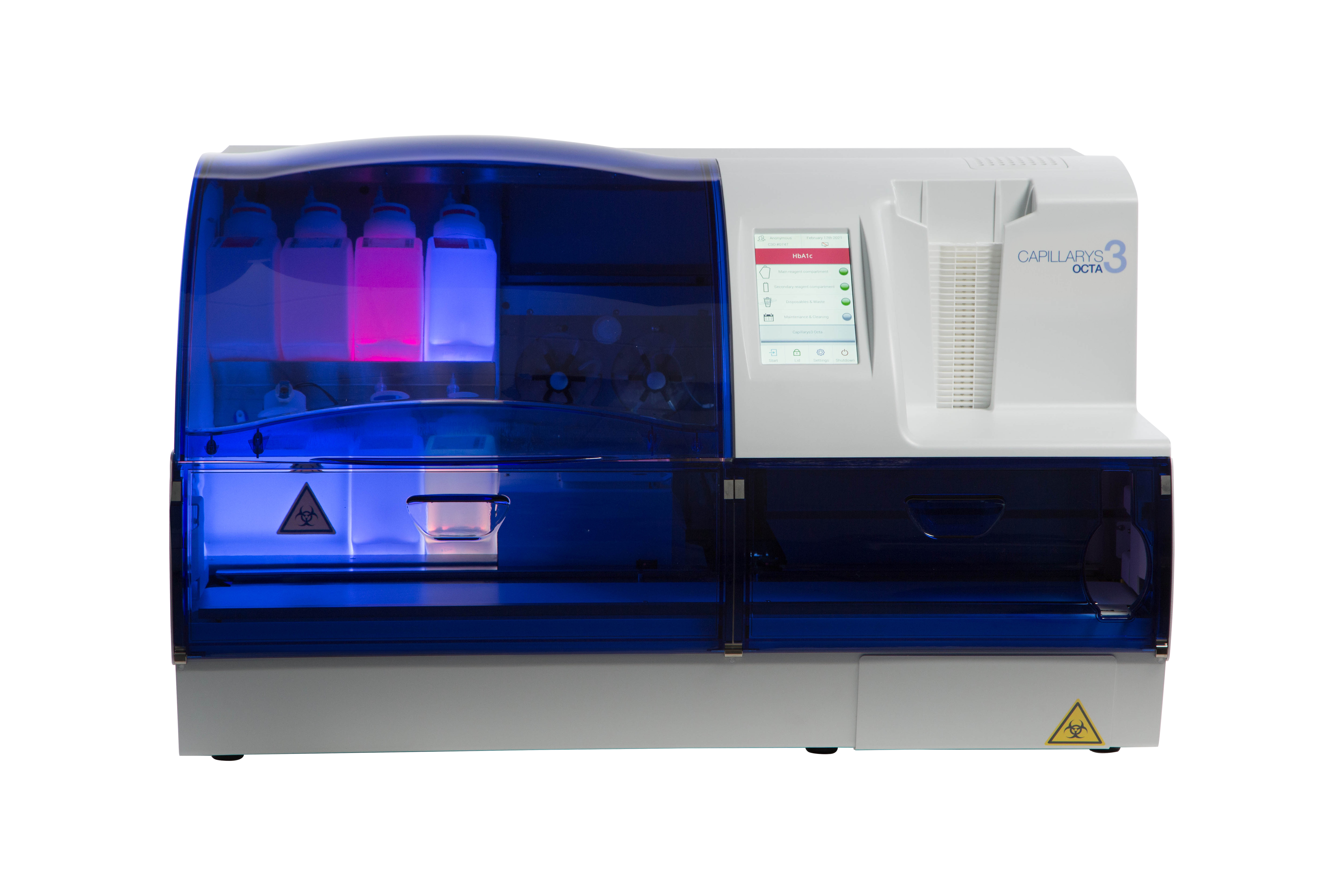
The CAPILLARYS 3 and MINICAP FLEX-PIERCING instruments are automated analyzers which perform a complete hemoglobin profile for the quantitative analysis of the normal hemoglobin fractions A, A2 and F and for the detection of major hemoglobin variants S, C, E and D. The assay is performed on the hemolysate of whole blood samples collected in tubes containing KEDTA as anticoagulant.


Key benefits

Hemoglobin disorder testing on fully automated CAPILLARYS instruments combines advanced expertise in detecting rare and common hemoglobin variants with precise measurement of normal hemoglobin fractions, benefiting patients and carriers alike.
  • Fully Automated

    CAPILLARYS instruments perform all sequences automatically, from primary tube sampling to final clear-cut profile, enabling precise quantification and presumptive identification of the most common hemoglobins. Load-and-go workflow improves efficiency and reduces hands-on time.

  • Easy to Use

    Whole-blood, capped tubes with automated on-board mixing removes the need for manual sample processing.

  • High Resolution

    CAPILLARYS instruments deliver high‑resolution separation of most hemoglobin variants—including the common ones (Hb S, Hb C, Hb D, and Hb E) along with precise quantification of Hb A2 and Hb F for reliable thalassemia screening. In addition, the Sebia Capillary Electrophoresis technique is highly reproducible, and the migration positions generated by the software can assist in the identification of rare hemoglobin variants.

  • Enhanced Detection

    Capillary Electrophoresis enables clean separation of Hb E from Hb A2 and simplifies the detection of Hb Bart’s and Hb H associated with alpha-thalassemia syndromes. The built-in Hb variant library, together with X-axis migration positions, supports the presumptive identification of rare hemoglobin variants.

  • Adapted to each Laboratory

    With a wide range of capillary instruments available, the Sebia hemoglobin testing method can meet the diverse needs and variable workloads of laboratories involved in screening for hemoglobin disorders.

Main characteristics

Test principle

  • The HEMOGLOBIN(E) assay is based on the principle of Capillary Electrophoresis in free solution. Hemoglobin fractions are separated in silica capillaries, by their electrophoretic mobility and electroosmotic flow at a high voltage in an alkaline buffer.
  • Hemoglobin fractions are directly detected at the specific absorbance of 415 nm. The resulting pattern is divided into 15 zones to facilitate interpretation, with each zone providing a drop-down library of possible variants that migrate within it. In total, more than 560 variants are included.

Sample type

Whole blood samples are used and are analysed directly on Capillary instruments.

Performances

                                         Throughput (tests/hour)*

HEMOGLOBIN(E)

  • CAPILLARYS 3 OCTA                     46
  • CAPILLARYS 3 TERA                     66
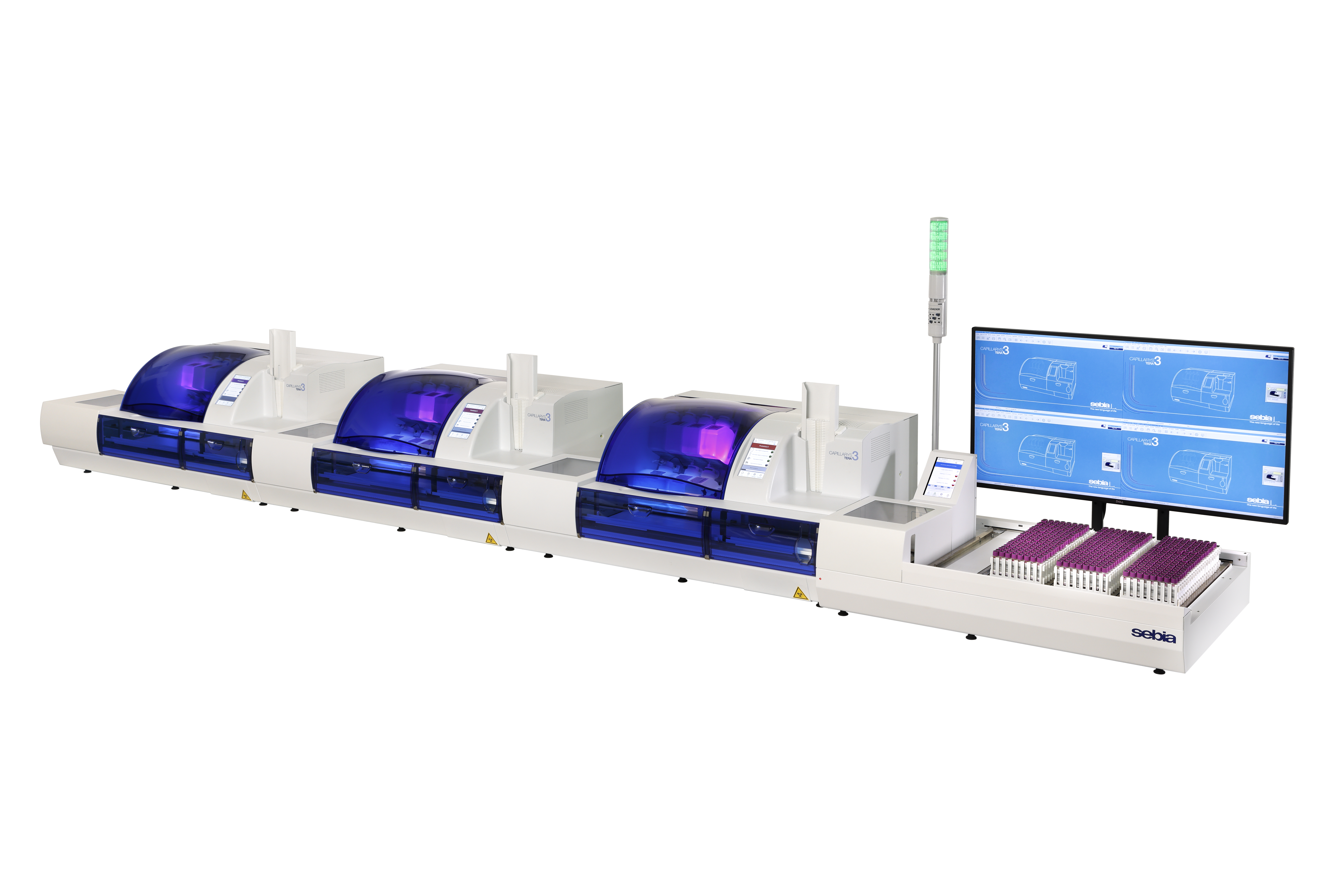
  • CAPILLARYS 3 TERA MC3**       189
  • MINICAP FLEX-PIERCING              7

*Firmware-dependent; contact your local Sebia representative for current information.
**Maximum Capacity or MC designation refers to Tube Loader CAPILLARYS 3 - P/N: 1249 and Rack Conveyor CAPILLARYS 3 - P/N: 1250 associated with CAPILLARYS 3 TERA - P/N: 1246.

Product details

Each Sebia Capillary instrument has a dedicated reagent kit to perform Hemoglobin fractions analysis.

  • CAPI 3 HEMOGLOBIN(E) – P/N: 2507
  • MINICAP HEMOGLOBIN(E) – P/N: 2207

Knowledge & Science

No content available.

Hemoglobin disorders screening test can be performed on the following instruments

Tests related to Hemoglobin disorders screening

This section contains information intended for wide distribution and may therefore contain product details or information that is not available or valid in your country.

Please contact your local Sebia representative. Information intended for healthcare professionals.
Carefully read the instructions in the reagent package inserts and instrument manuals.